


Ocean Science
DELIVERING DATA. UNLOCKING INSIGHTS
Precision instruments and reliable data telemetry. We're supporting ocean scientists to answer the questions that matter most about our blue planet.
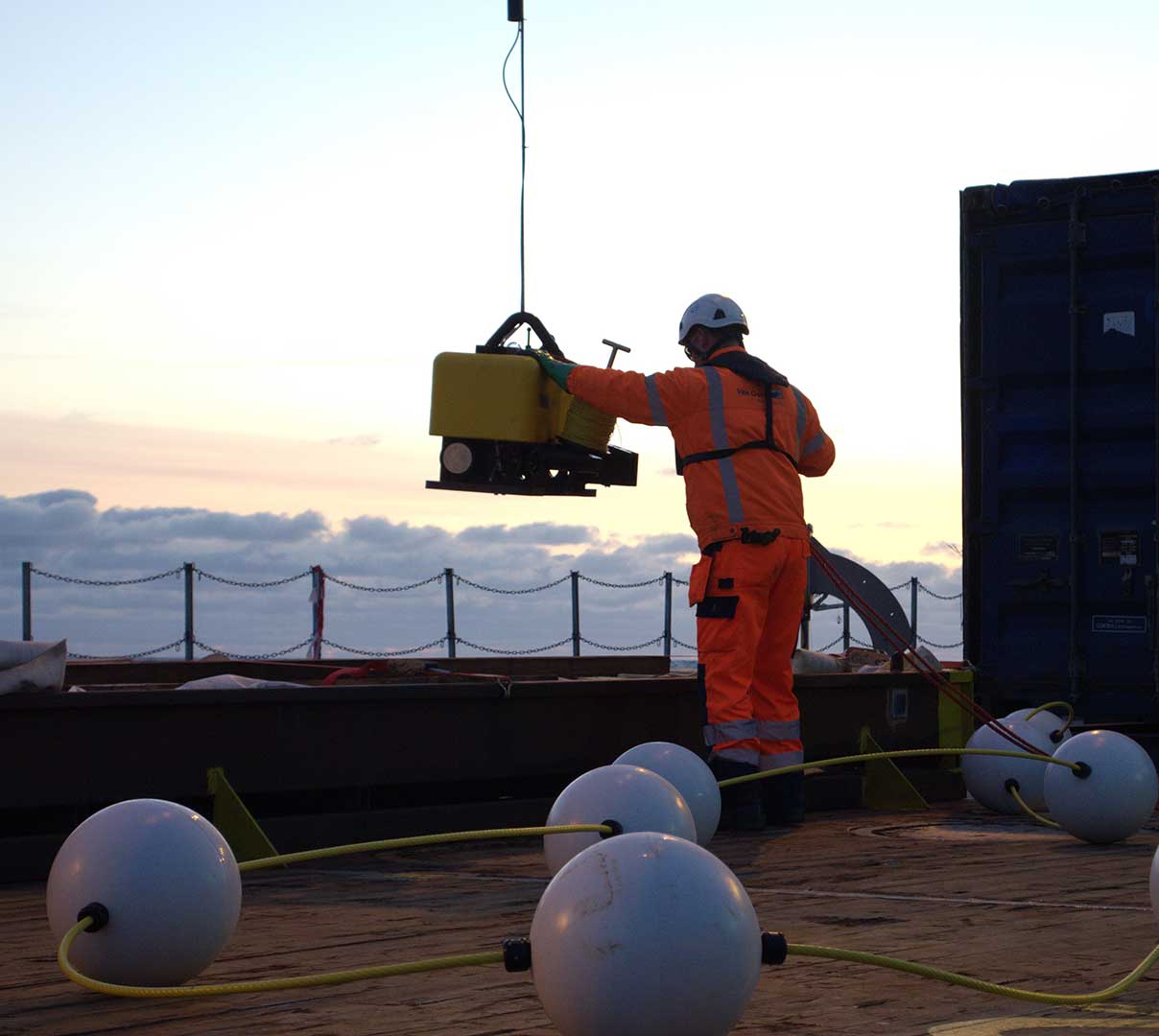
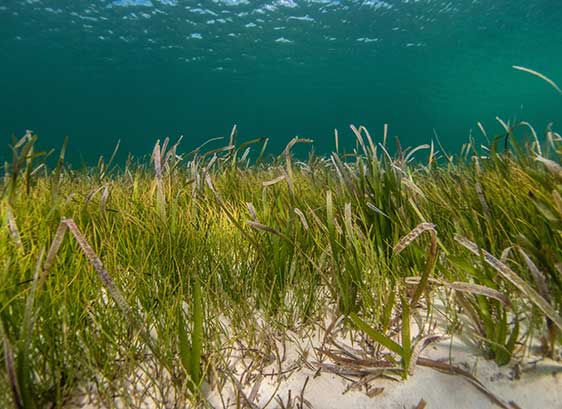
Understanding how marine species behave beneath the surface requires instrumentation designed for long-term, unobtrusive observation. Develogic acoustic recorders and mooring systems enable passive acoustic monitoring and behavioural tracking across extended deployments, delivering high-resolution data while preserving the natural environment under study.

Seafloor pressure monitoring and acoustic telemetry are critical tools in geohazard detection and early warning networks. Develogic systems support the continuous, real-time transmission of seismic and pressure data from the seafloor to shore – enabling research institutions and national agencies to monitor tectonic activity and respond faster when it matters most.
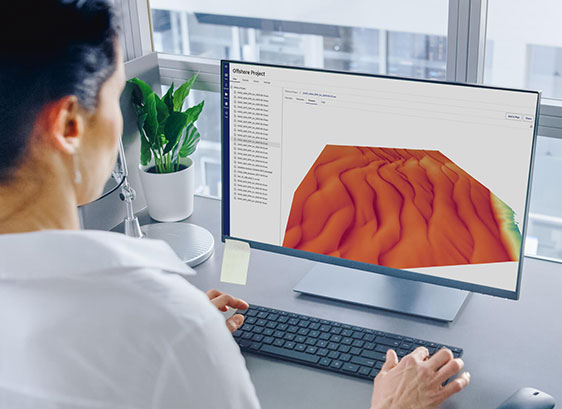
Raw ocean data is only as valuable as your ability to access and use it. Our systems bridge the gap between seafloor sensors and your networks — delivering structured, reliable telemetry from remote deployments to your data centres in near-real-time, and integrating seamlessly with Gabler Group sister company north.io’s data management platform.
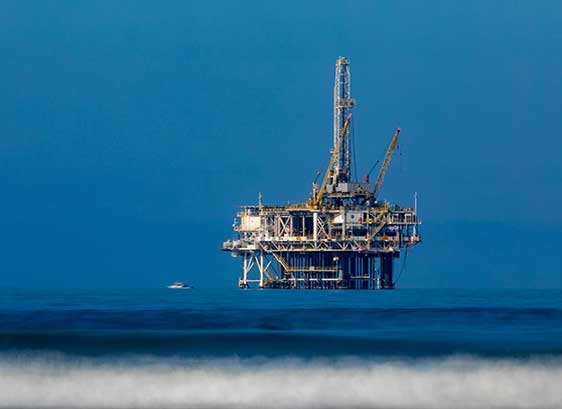
Baseline environmental data underpins everything from marine protected area management to offshore impact assessments. Develogic monitoring systems collect water column, acoustic and physical oceanographic data across sustained deployments – giving environmental scientists and regulatory bodies the continuous, high-quality datasets needed to detect change, assess impact and make evidence-led decisions.
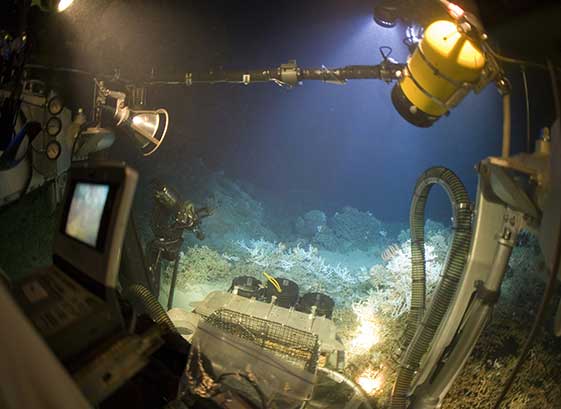
Develogic systems are engineered to operate across the full range of ocean science platforms – from long-term seafloor landers and mooring arrays to ROVs, AUVs and USVs. Whether your applications calls for a fixed installation or a mobile, vehicle-mounted solution, we provide the acoustic communication, telemetry and monitoring technology to keep data flowing from platform to desk.
-
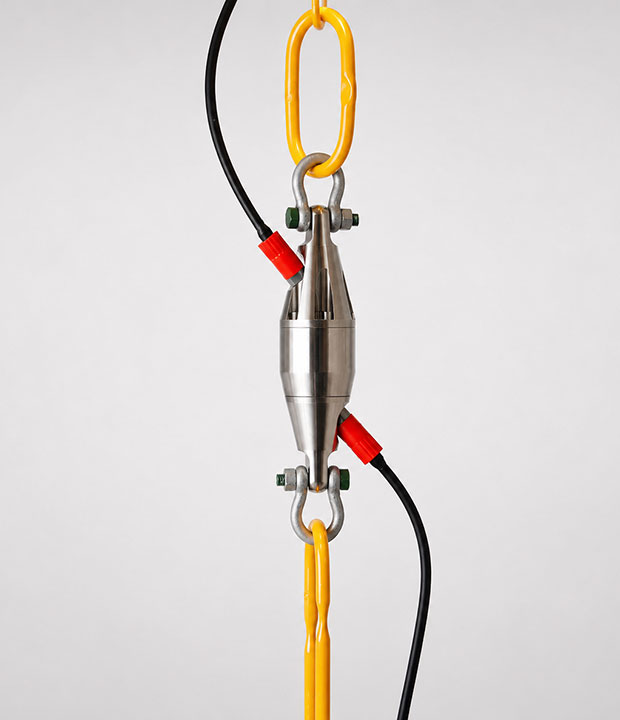
Swivel C45
Heavy-load mooring swivel
-
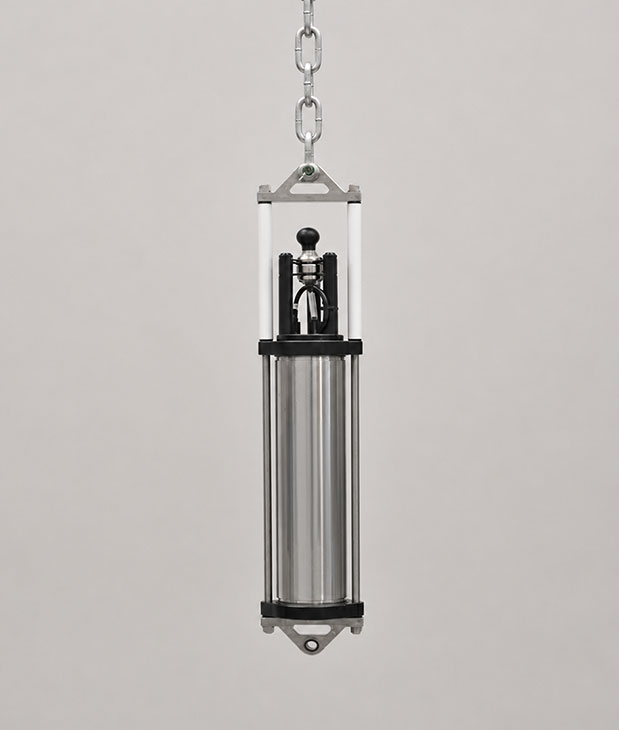
Sono.Vault SubMAReS
Underwater acoustic recorder
-
Swivel C15
Deep-rated mooring swivel
-
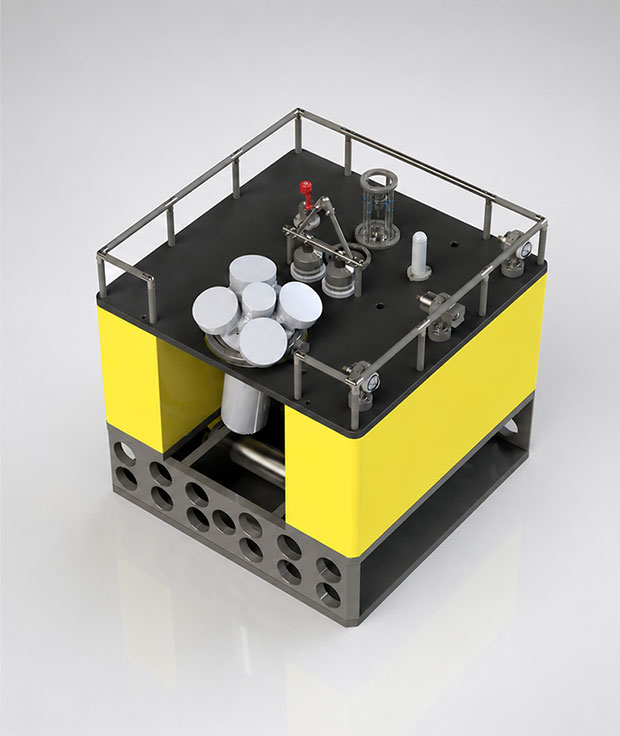
Modular Seafloor Lander
Autonomous seafloor node
-
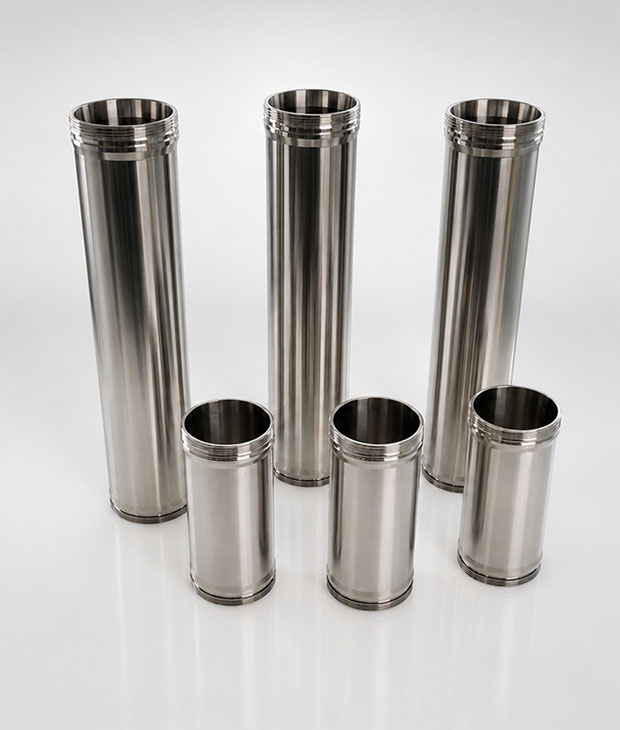
Titanium Pressure Housing
Deep-rated instrument housing
-
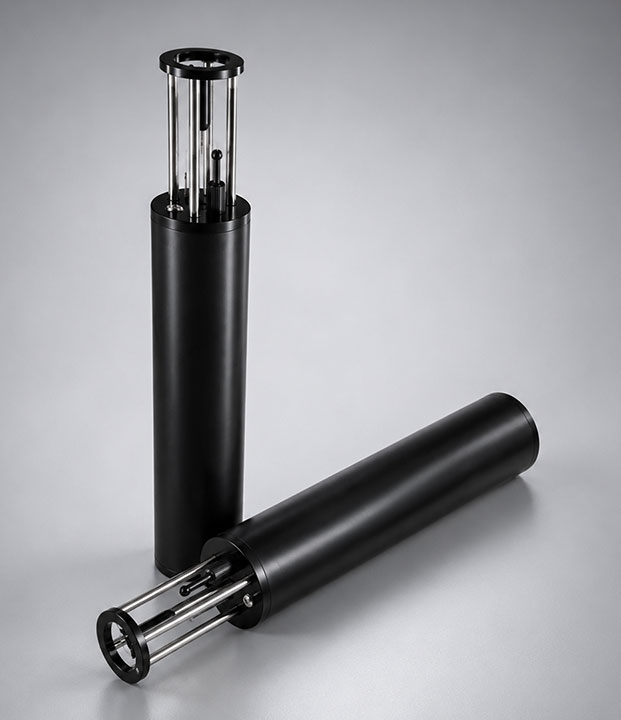
SW.POM Pressure Housing
Shallow-rated instrument housing
-
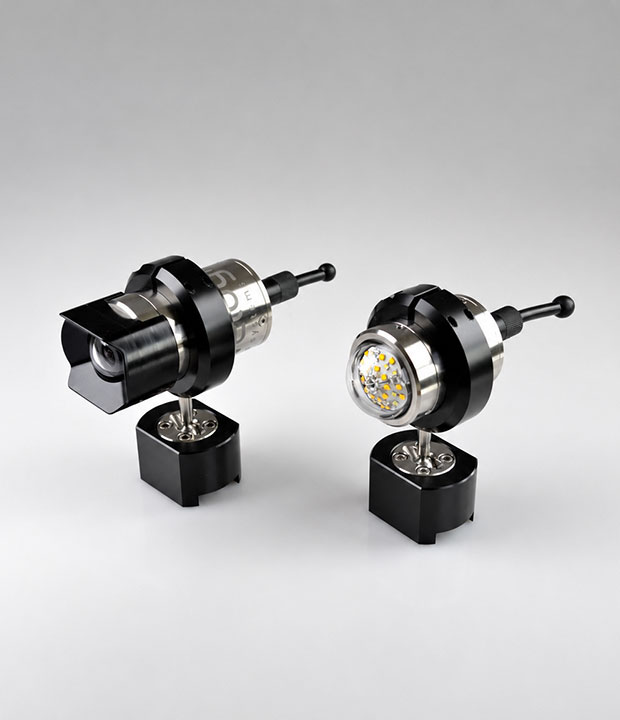
UW.LED75
Underwater LED light
-
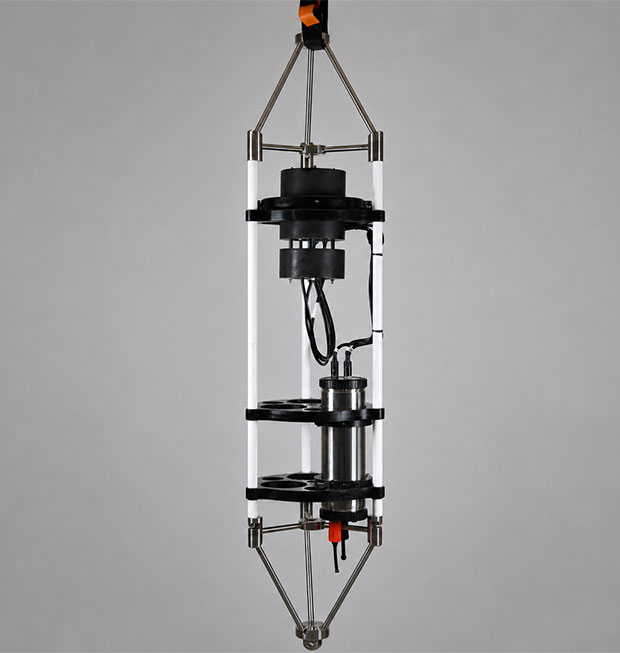
UAP.Com
Underwater acoustic modem
-
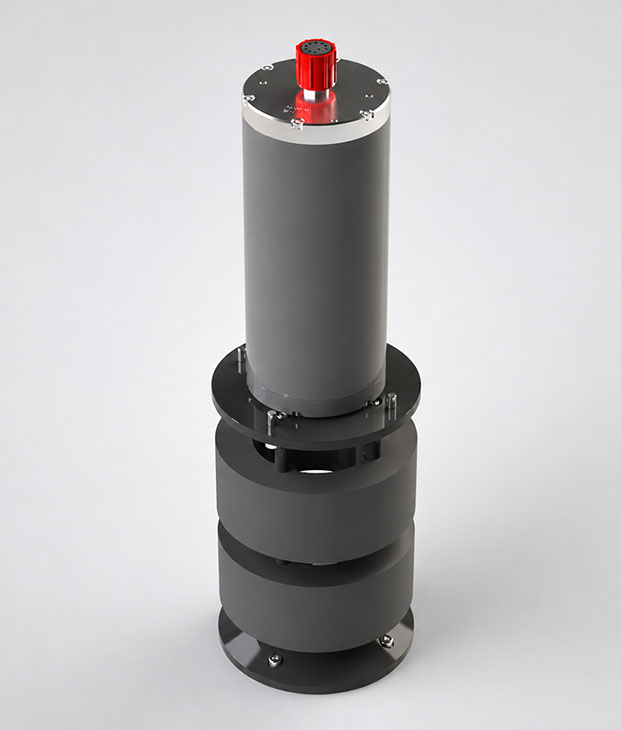
Sonartransponder
Underwater collision‑warning beacon
SCIENCE DEPLOYMENTS IN ACTION
SCIENCE DEPLOYMENTS IN ACTION
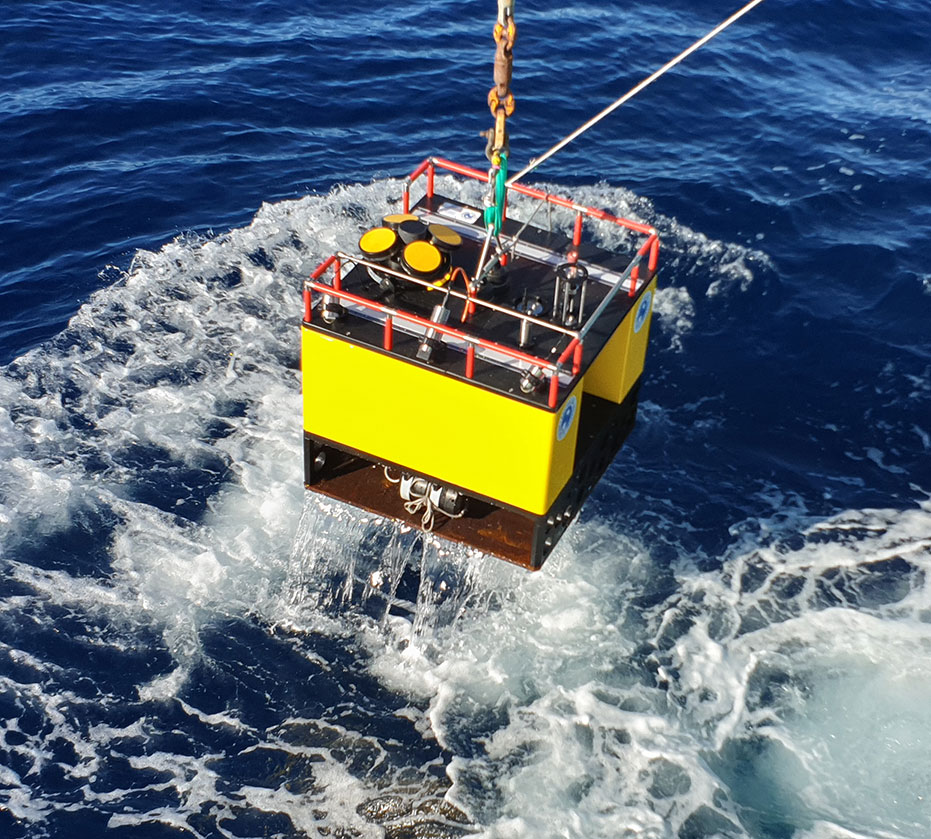
Understanding the habits of Antarctic krill
Develogic supported the development of a deep-ocean observatory deployed for up to 12 months at depths of 1,500 metres to study Antarctic krill throughout the polar winter.
The Modular Seafloor Lander combined a biological echosounder, passive acoustic sensors, camera, current meter, CTD sensors, acoustic release and satellite recovery beacon into a single autonomous system. The solution enabled year-round environmental monitoring in locations inaccessible to research vessels during the Antarctic winter.
SCIENCE DEPLOYMENTS IN ACTION
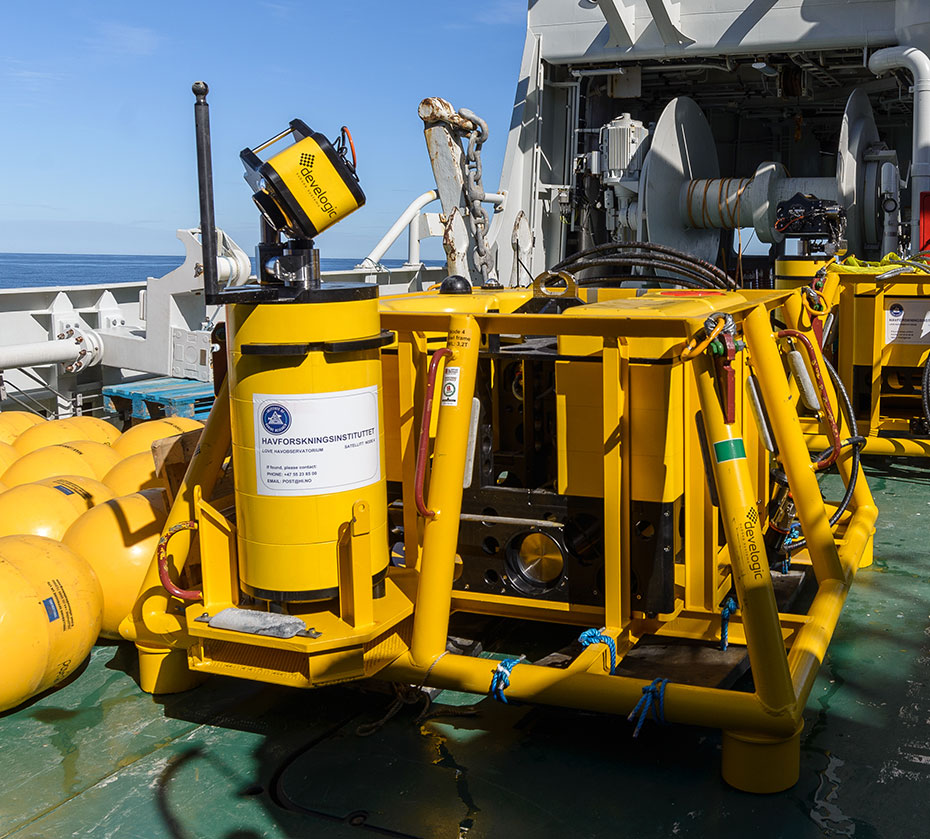
LoVe Ocean Observatory
The Lofoten-Vesterålen Ocean Observatory (LoVe Ocean) is a cabled ocean observatory with additional autonomous nodes. LoVe Ocean is located in a highly productive costal shelf-slope area, and in an environment sensitive to external stressors. LoVe Ocean is a multi-purpose observatory network with scientific nodes forming a westward transect. develogic is part of this largest European oceanographic Real-Time observatory.
The project in numbers:
– 6 seafloor landers installed between 200 m and 2500 m depth
– 2 landers with 1300m and 2300 m moorings connected
– Power supply and fibre data transmission by a 55km cable following the gorge down to 1500 m
SCIENCE DEPLOYMENTS IN ACTION
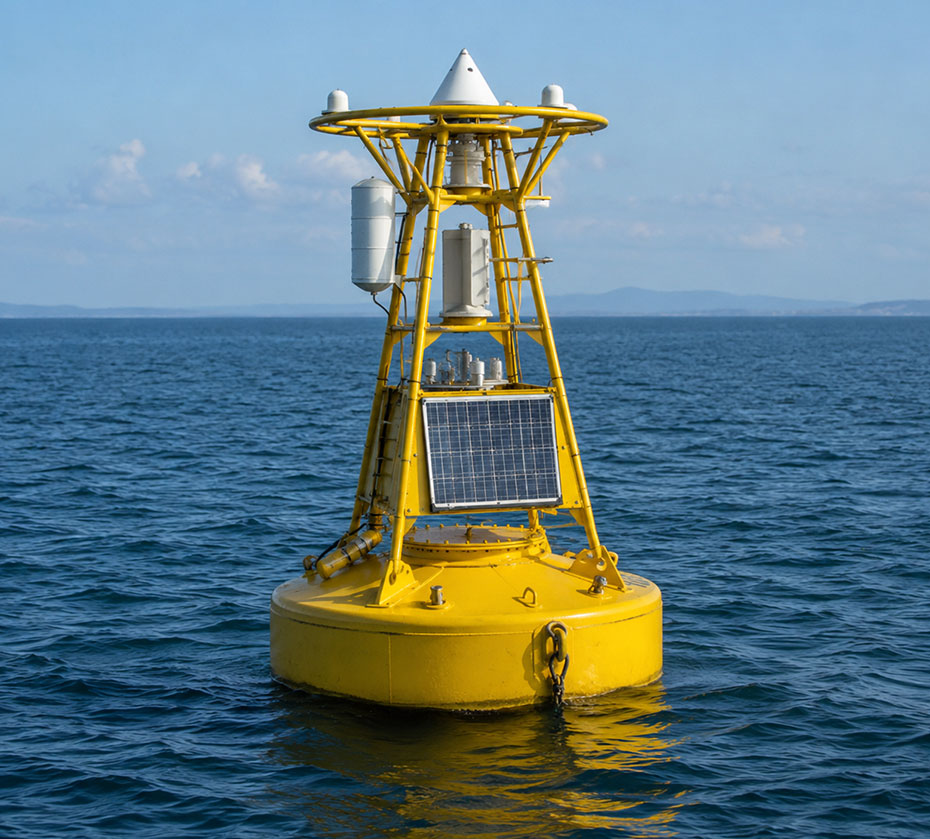
GITEWS Project
The GITEWS project, initiated by the German Government following the 2006 Indian Ocean tsunami, aimed to establish an early warning system for the affected countries.
Develogic’s HAM.NODE acoustic modem was chosen as the exclusive subsea communication system, transmitting sensor data from ocean bottom to surface buoys. The system, powered by rechargeable batteries, facilitated bi-directional data transmission and tsunami detection, ensuring crucial information could be relayed across deep ocean channels effectively.
SCIENCE DEPLOYMENTS IN ACTION
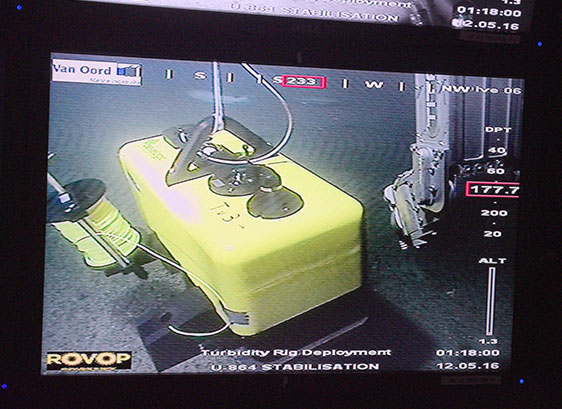
U-864 Submarine Monitoring
Develogic played a crucial role in the environmental monitoring of the U-864 submarine wreck off the coast of Norway.
Working alongside partners like Van Oord and the Norwegian Institute for Water Research, Develogic developed advanced underwater measuring platforms and a sophisticated communication system. This setup allowed real-time monitoring of safety parameters, such as turbidity and current, to prevent mercury contamination.
The data was accessible to the public through a geoview webpage, showcasing Develogic’s innovative approach in large-scale underwater communication systems.
SCIENCE DEPLOYMENTS IN ACTION
DAMOCLES Project
The DAMOCLES project was an initiative focused on Arctic climate change observation.
Develogic HAM.NODE acoustic modems were selected for the project, deployed across the Fram Strait between Svalbard and Greenland. These modems facilitated the transmission of sensor data between moorings spaced up to 30 km apart, utilising advanced modulation schemes and custom pressure housings with integrated batteries.
The success of the study highlighted Develogic’s contribution to understanding climate impacts on the Arctic environment and human activities.

SCIENCE DEPLOYMENTS IN ACTION
Project THOR
Develogic provided acoustic telemetry solutions for the THOR lander, a part of the EU project testing data retrieval systems in marine environments where surface telemetry was not possible.
Equipped with Develogic HAM.Node modems, the THOR lander, deployed in the Faroe Bank Channel for up to five years, collected ocean current, CTD, and oxygen content data for climate research. The data, crucial for scientific investigation, were successfully transmitted and retrieved multiple times a year, showcasing Develogic’s contribution to reliable and long-term marine data monitoring.
Understanding the habits of Antarctic krill
Develogic supported the development of a deep-ocean observatory deployed for up to 12 months at depths of 1,500 metres to study Antarctic krill throughout the polar winter.
The Modular Seafloor Lander combined a biological echosounder, passive acoustic sensors, camera, current meter, CTD sensors, acoustic release and satellite recovery beacon into a single autonomous system. The solution enabled year-round environmental monitoring in locations inaccessible to research vessels during the Antarctic winter.
LoVe Ocean Observatory
The Lofoten-Vesterålen Ocean Observatory (LoVe Ocean) is a cabled ocean observatory with additional autonomous nodes. LoVe Ocean is located in a highly productive costal shelf-slope area, and in an environment sensitive to external stressors. LoVe Ocean is a multi-purpose observatory network with scientific nodes forming a westward transect. develogic is part of this largest European oceanographic Real-Time observatory.
The project in numbers:
– 6 seafloor landers installed between 200 m and 2500 m depth
– 2 landers with 1300m and 2300 m moorings connected
– Power supply and fibre data transmission by a 55km cable following the gorge down to 1500 m
GITEWS Project
The GITEWS project, initiated by the German Government following the 2006 Indian Ocean tsunami, aimed to establish an early warning system for the affected countries.
Develogic’s HAM.NODE acoustic modem was chosen as the exclusive subsea communication system, transmitting sensor data from ocean bottom to surface buoys. The system, powered by rechargeable batteries, facilitated bi-directional data transmission and tsunami detection, ensuring crucial information could be relayed across deep ocean channels effectively.
U-864 Submarine Monitoring
Develogic played a crucial role in the environmental monitoring of the U-864 submarine wreck off the coast of Norway.
Working alongside partners like Van Oord and the Norwegian Institute for Water Research, Develogic developed advanced underwater measuring platforms and a sophisticated communication system. This setup allowed real-time monitoring of safety parameters, such as turbidity and current, to prevent mercury contamination.
The data was accessible to the public through a geoview webpage, showcasing Develogic’s innovative approach in large-scale underwater communication systems.
DAMOCLES Project
The DAMOCLES project was an initiative focused on Arctic climate change observation.
Develogic HAM.NODE acoustic modems were selected for the project, deployed across the Fram Strait between Svalbard and Greenland. These modems facilitated the transmission of sensor data between moorings spaced up to 30 km apart, utilising advanced modulation schemes and custom pressure housings with integrated batteries.
The success of the study highlighted Develogic’s contribution to understanding climate impacts on the Arctic environment and human activities.
Project THOR
Develogic provided acoustic telemetry solutions for the THOR lander, a part of the EU project testing data retrieval systems in marine environments where surface telemetry was not possible.
Equipped with Develogic HAM.Node modems, the THOR lander, deployed in the Faroe Bank Channel for up to five years, collected ocean current, CTD, and oxygen content data for climate research. The data, crucial for scientific investigation, were successfully transmitted and retrieved multiple times a year, showcasing Develogic’s contribution to reliable and long-term marine data monitoring.
DOLAN Deep Sea Mooring
The DOLAN mooring assembly, located 60 nautical miles north of the Canary Islands, was part of the terminated project: ‘Data transmission in the ocean and lateral acoustic network in the deep sea.”
A Develogic ocean bottom unit with advanced communication technology successfully transmitted sensor data from a depth of 3,300 m near the DOLAN mooring to AWI in Bremerhaven, Germany, demonstrating exceptional reliability even under adverse weather conditions.
