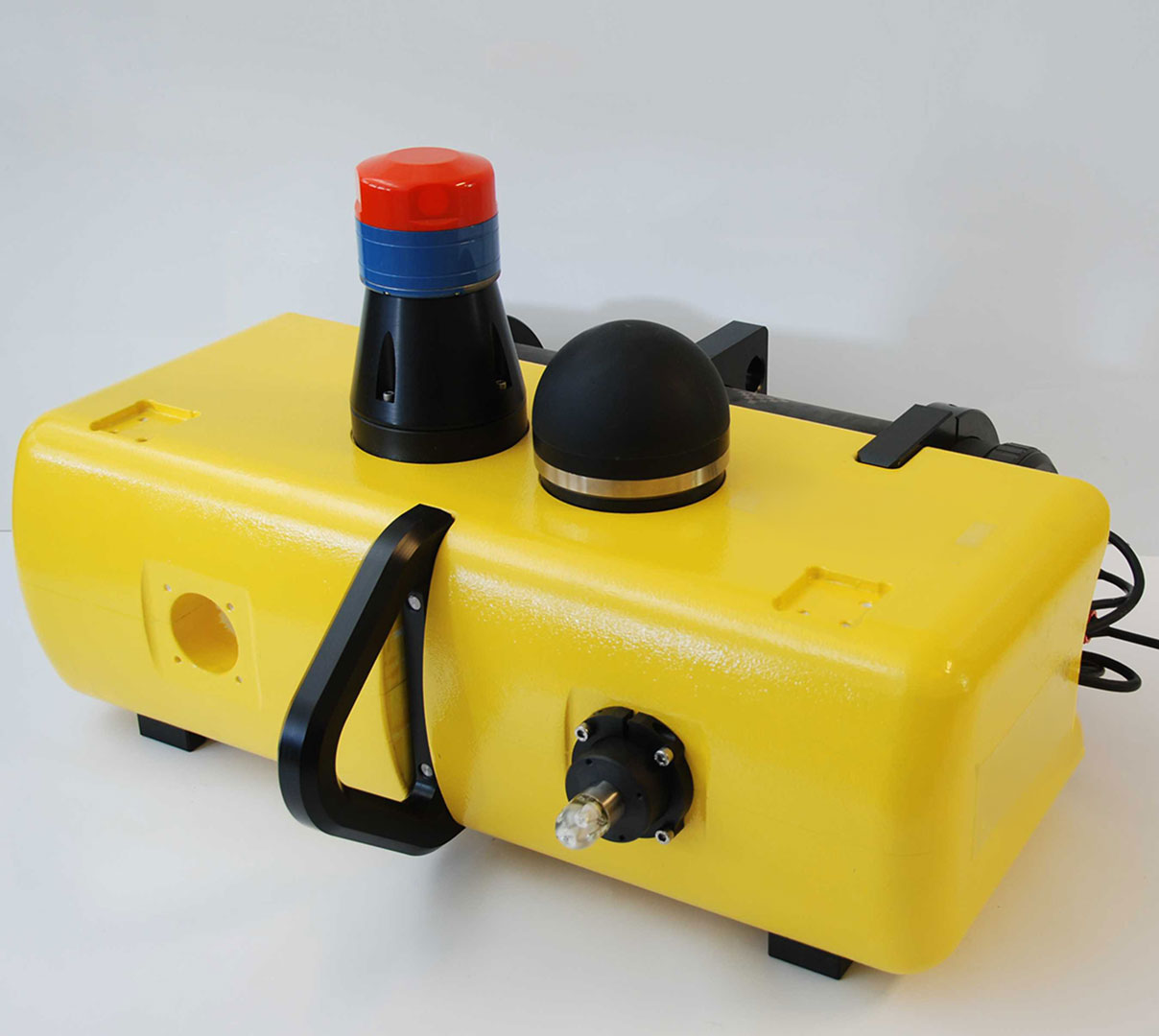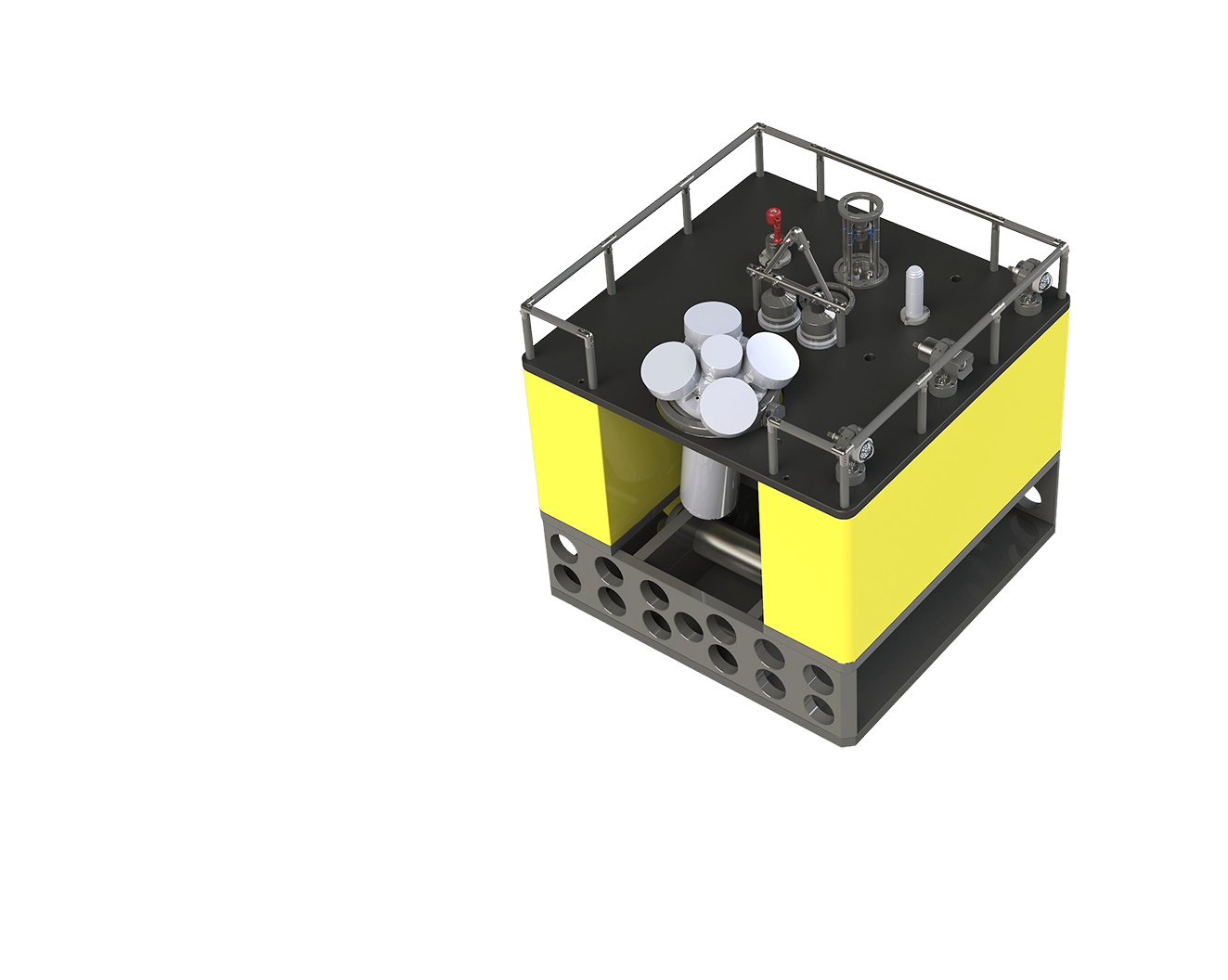

Modular Seafloor Lander

Modular Seafloor Lander

Autonomous Seafloor Observatory System

A compact, modular seabed observatory enabling long-term, autonomous environmental monitoring with flexible sensor integration, hybrid communication, and deployment without ROVs or divers.
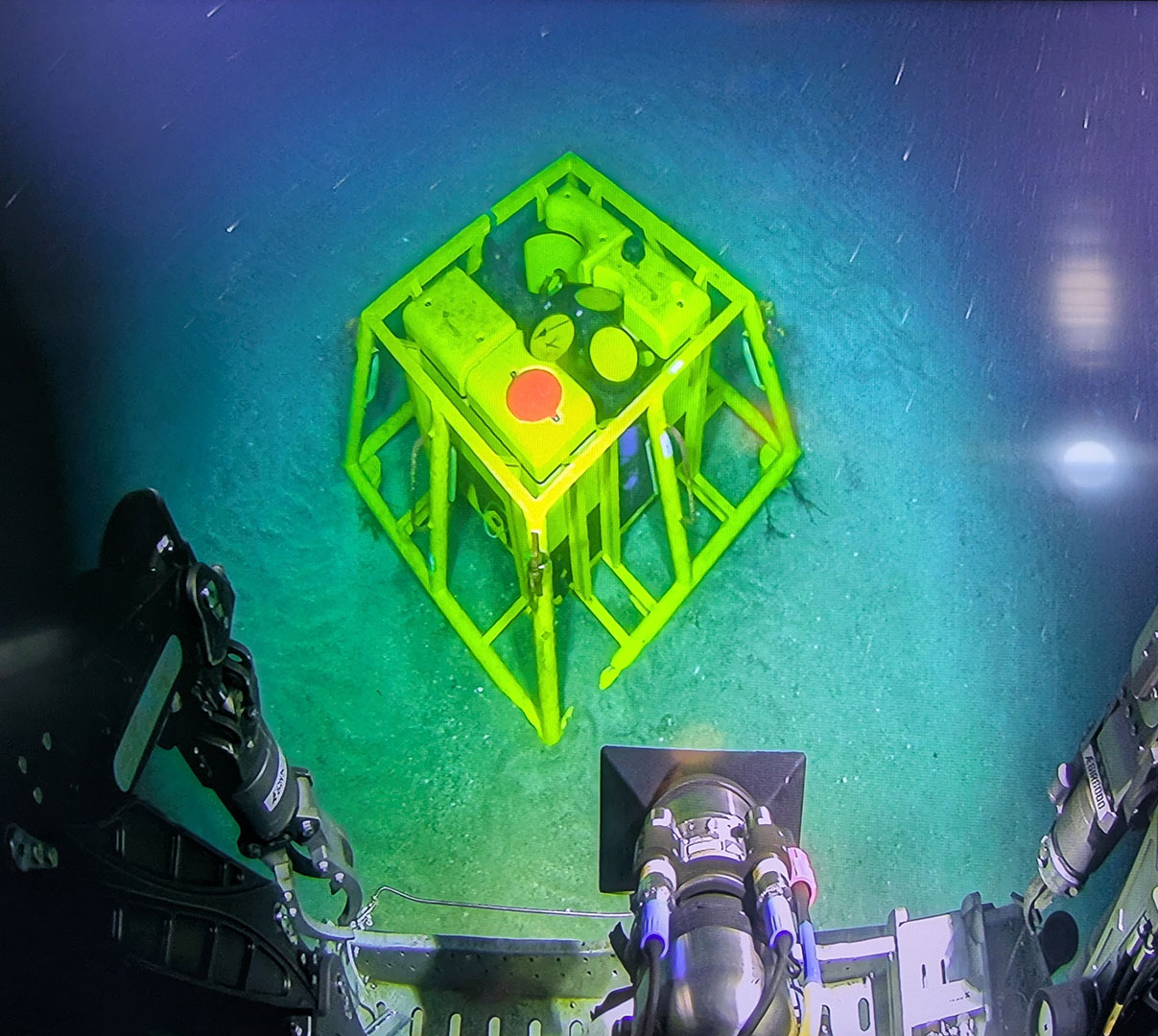
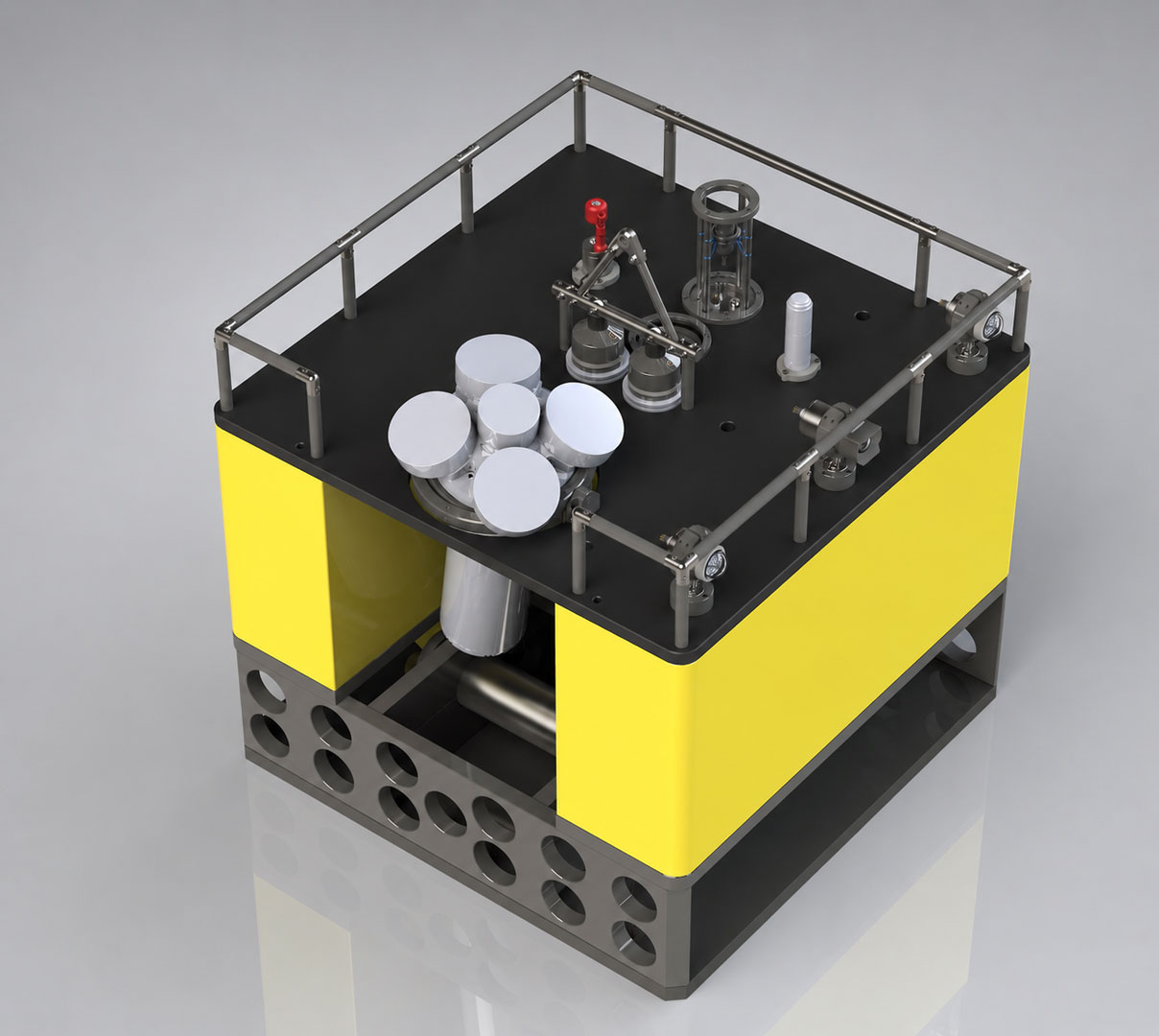
The Develogic Modular Seafloor Lander (MSL) is a compact, high-performance observatory system for long-term autonomous monitoring of seabed and water column environments.


msl_1208x1080
msl_3_1208x1080

Designed for deployments of 12-24 months and depths down to 6000 metres, the MSL combines Develogic’s in-house datalogger, power system, acoustic communication and recovery technologies with seamless third-party sensor integration. Free-fall deployment and acoustic-release recovery eliminate the need for ROVs or divers, significantly reducing offshore risk and projects costs.

The system supports centralised or distributed architectures, real-time data via satellite or cable, and water column extensions via moorings. Built to ISO, DNV, API and NORSOK standards, it ensures reliable operation across demanding offshore applications.

Key Features

0

+

Supported sensor integration sensor integration (CTD, ADCP, O2, CO2, CH4, turbidity, cameras, acoustics)

0

yrs

12-24 months typical deployment time, depending on battery size and sampling rate.

0

m

1500 / 3000 / 6000 metre depth rated options available

Comms

Hybrid communication: acoustic, optical, EM + satellite or fibre options

Design

Develogic core system: datalogger, Li battery housings, acoustic comms

Size

< 1 ton weight, <1 m² footprint

Offload

Real-time data capability via gateway buoy + satellite or cable

Architecture

Centralised or distributed architecture with flexible system configuration

Monitoring

Integrated mooring support for multi-depth water column monitoring

Deployment

ROV-free deployment via free-fall descent to seabed (no subsea intervention required).

Recovery

Acoustic release recovery with ballast drop and positive buoyancy ascent

Compliance

ISO, DNV, API (17F), NORSOK, AD2000 and others

Deploy anywhere. Monitor everything. Recover effortlessly. A truly autonomous seabed observatory combining deep-sea capability, modular sensing, and flexible data delivery without costly offshore intervention.

Plan your next monitoring campaign with a system engineered for reliability, flexibility, and cost efficiency.

From environmental studies to offshore energy and subsea infrastructure monitoring, the Develogic Modular Seafloor Lander adapts to your requirements, business model, and deployment scenario. Contact us today to configure your solution.

Request datasheet Request datasheet

FAQs

Interested in this product?

Below you’ll find answers to the questions we’re asked most often. If your query isn’t covered, get in touch and we’ll provide the guidance you need.

No. The Modular Seafloor Lander is designed for ROV- and diver-free operations, reducing offshore complexity and cost.

Deployment is performed using a standard vessel deck crane, without the need for an A-frame or long lifting wire. The system is released in free-fall directly from under the splash zone level, eliminating subsea intervention.

For recovery, an acoustic command releases the ballast plate, allowing the lander to ascend via positive buoyancy. If required, the ballast plate can also be retrieved afterward using a Dyneema rope connection, supporting environmental requirements and providing additional stability during lifting by keeping the system “anchored” during recovery.

Typical deployments last 12 months, enabling full seasonal environmental monitoring. Depending on the instrument configuration, sampling rates, and battery capacity, deployments of up to 24 months are achievable.

The system uses modular battery housings with Li primary cells and intelligent power control, allowing you to optimise:
• monitoring duration
• data resolution
• number and type of sensors

This flexibility allows precise tailoring of the system to project requirements, avoiding overdesign or unnecessary cost. The modular design also allows quick upgrades or reconfiguration between deployments, supporting long-term monitoring programs with evolving requirements.

Yes. The Modular Seafloor Lander supports multiple data access approaches, from fully autonomous to real-time monitoring:
• post-recovery (standard): full dataset retrieved after deployment
• periodic wireless access: data transfer via acoustic, optical, or electromagnetic communication, including connections to AUVs, USVs, or surface gateways
• real-time monitoring: integration with moored buoys transmitting via satellite
• direct cabled connection: continuous power supply and real-time high-bandwidth data transmission

This flexibility allows periodic inspections, adaptive mission control, or continuous monitoring – unlike many traditional landers that only support data retrieval after recovery.

The platform supports extensive modular integration of both third-party and Develogic systems.

Typical sensors include:
• physical: CTD, ADCP, current profilers
• chemical: O2, CO2, pH, CH4, turbidity, chlorophyll
• acoustic: active systems and passive multi-channel recorders
• imaging: stereo HD cameras with synchronized lighting
• custom or client-specific instrumentation

The Develogic datalogger manages:
• power distribution
• communication scheduling
• data collection, filtering, and light post-processing

You can choose between:
• centralised architecture (single power/data hub), or
• distributed architecture (standalone instruments integrated mechanically)

This ensures compatibility with almost any monitoring concept.

Yes. The system is engineered for both scientific and industrial-grade deployments, with strong positioning in deep water.
Key points:
• depth ratings: up to 6000 m, with optimized configurations at 3000-6000 m
• designed and tested according to ISO, DNV, API (17F), NORSOK, AD2000 standards
• proven suitability for: offshore oil & gas, offshore wind, CCUS monitoring, subsea mining, environmental research

While highly competitive in deep-water applications, the system also remains scalable for shallower deployments where flexibility and modularity are required.

Traditional subsea monitoring technologies each offer specific advantages, but often require compromises. Classical benthic landers provide a flexible deployment platform but typically rely on manual recovery to access data. Ocean-bottom nodes (OBNs) deliver long-duration autonomous operation but are generally focused on seismic applications. Cabled observatories enable real-time data access but require significant infrastructure investment and installation effort.

The Modular Seafloor Lander combines the strengths of these approaches in a single, compact system. Hybrid communications and acoustic release functionality simplify deployment and recovery, while its modular architecture supports a wide range of environmental monitoring sensors beyond seismic applications. Optional real-time data transmission provides many of the benefits of a cabled observatory without the need for permanent subsea infrastructure.

With a compact, containerised design weighing less than one tonne, the system also reduces the logistical complexity and cost associated with larger subsea installations.

In practical terms, the Modular Seafloor Lander delivers:

• the long-endurance autonomy typically associated with ocean-bottom nodes
• the flexibility and sensor adaptability of traditional landers
• the data accessibility of cabled systems, without the infrastructure burden

All within a single, deployable platform designed for efficient and cost-effective subsea monitoring.

To support different project needs and budgets, we offer flexible commercial options:
• equipment supply (purchase)
• short- or long-term rental
• data-as-a-Service (DaaS) – we deploy, operate, and deliver processed data

This allows customers to:
• minimise upfront investment
• scale monitoring programs
• focus on data insights instead of operations

Yes. The Modular Seafloor Lander is specifically designed for repeated deployments and easy reconfiguration, making it a long-term asset rather than a single-use system.

Its modular mechanical structure and hardware architecture allow:
• fast replacement or upgrade of sensors and instruments
• adjustment of battery capacity and mission duration
• integration of new subsystems (e.g. moorings, communication options, cameras)

Both centralised and distributed system architectures support flexible reconfiguration between campaigns without major redesign.

This enables:
• multi-year monitoring programs using the same platform
• adaptation to changing project requirements
• reduced total cost of ownership compared to more rigid or application-specific systems

In practice, operators can recover, reconfigure, and redeploy the system within short turnaround times, supporting efficient campaign-based or seasonal monitoring strategies.