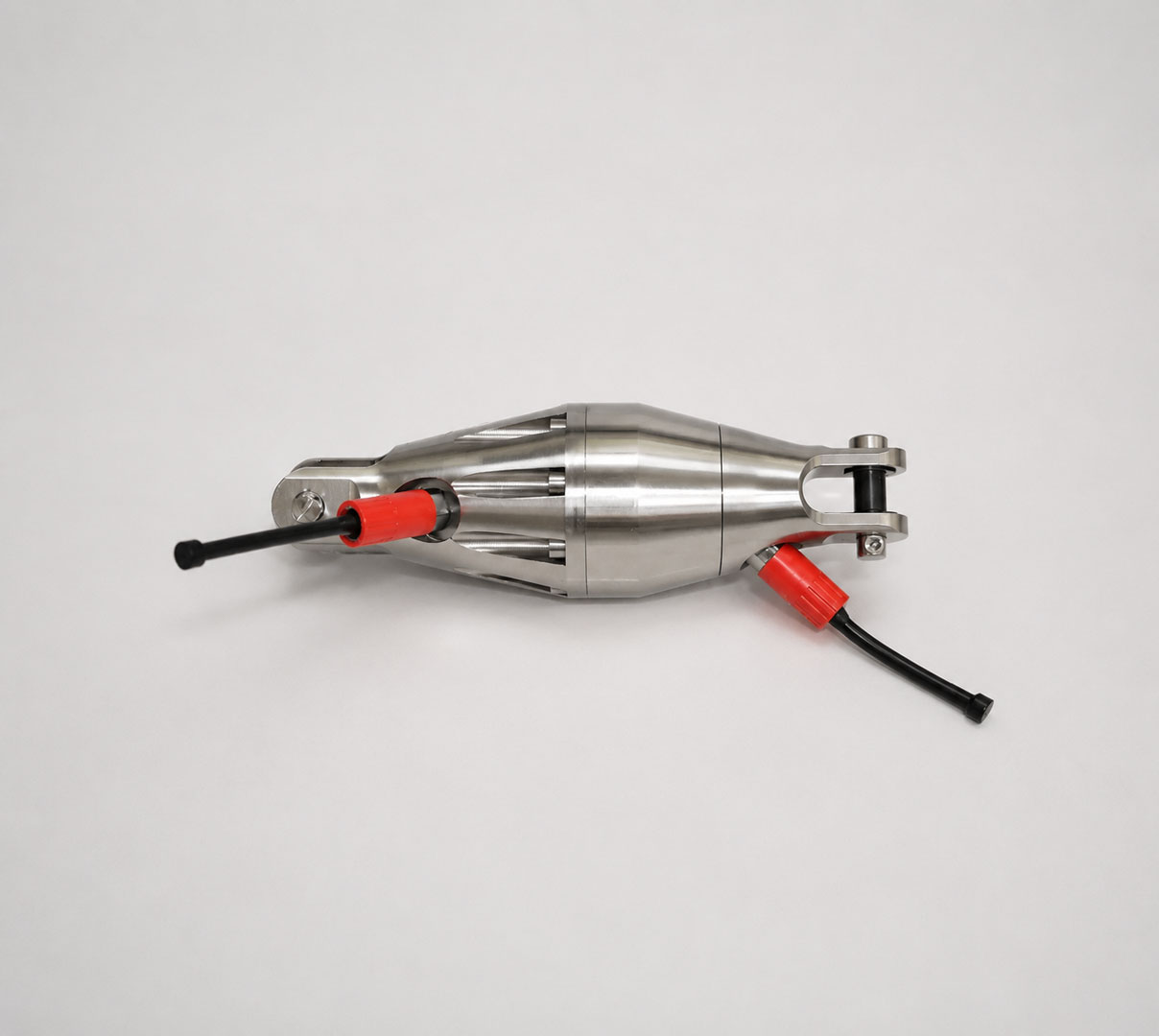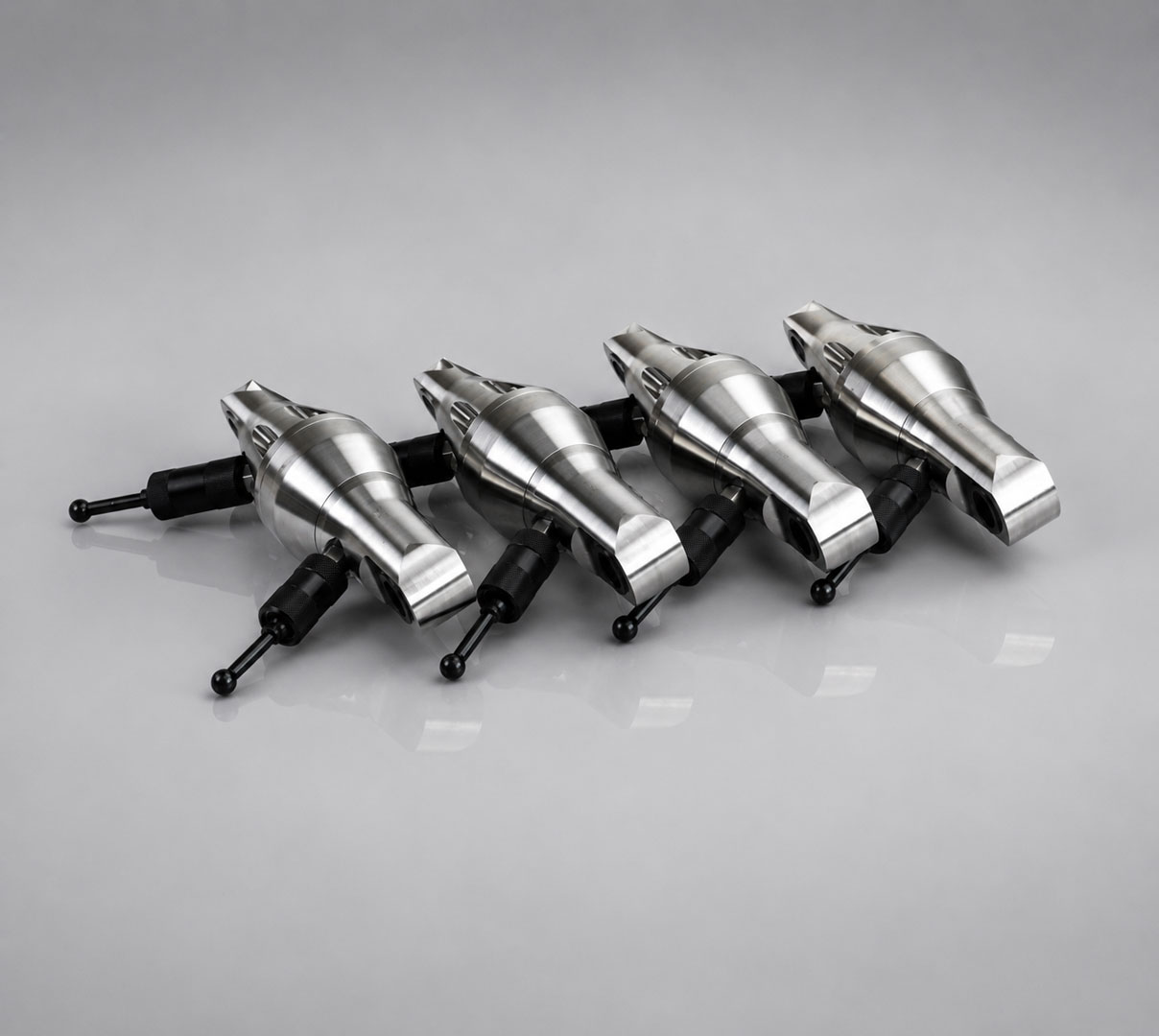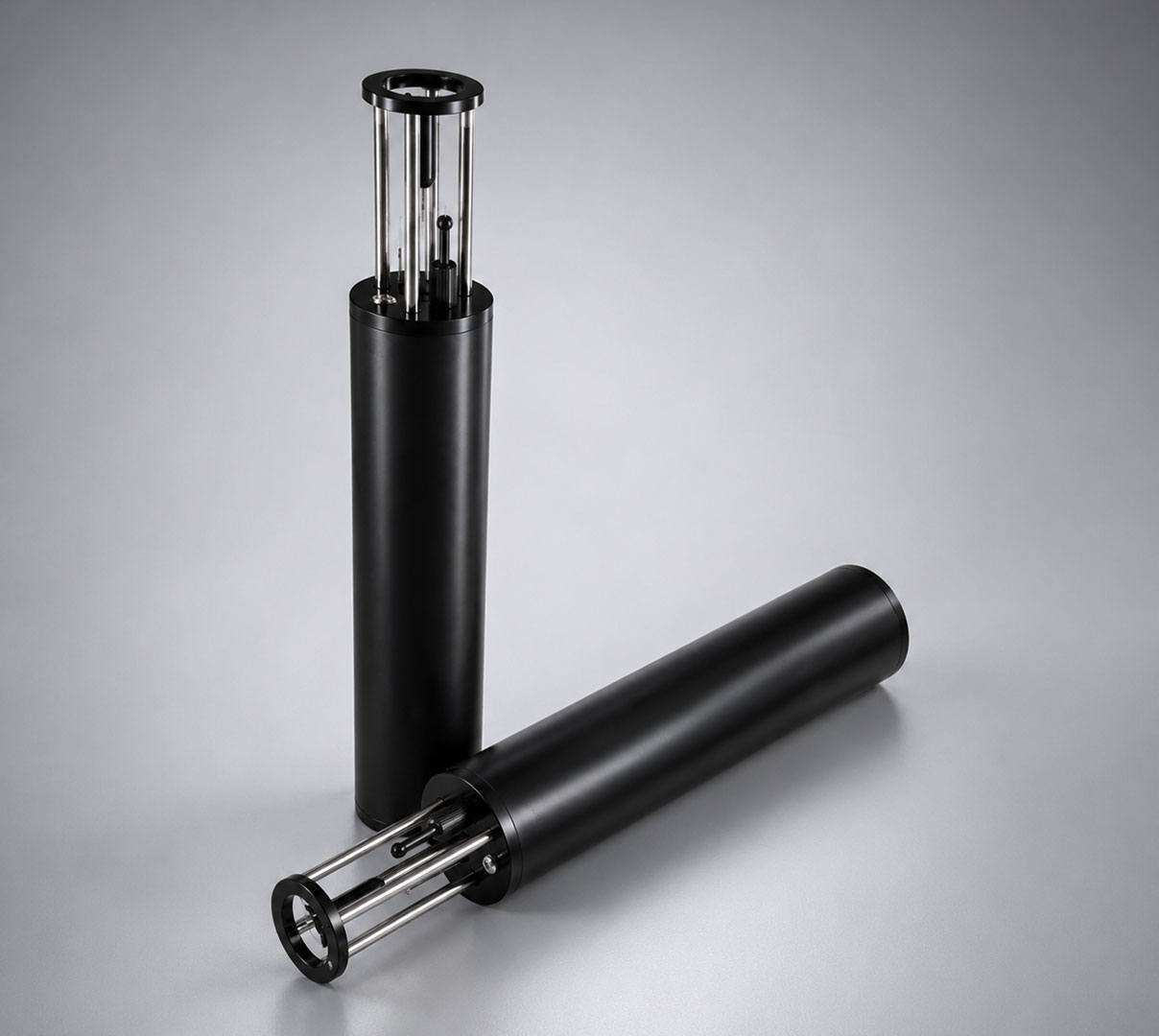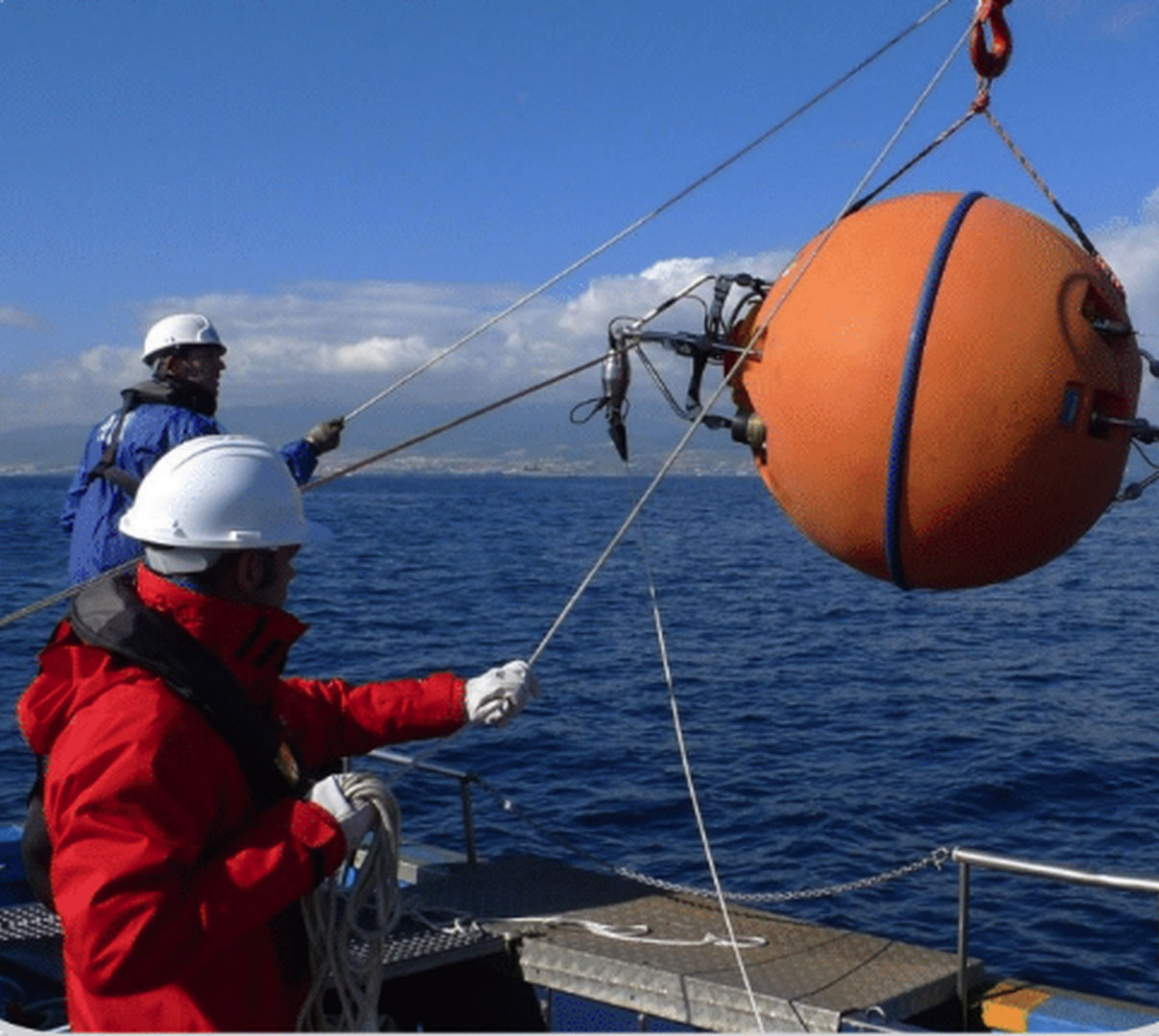
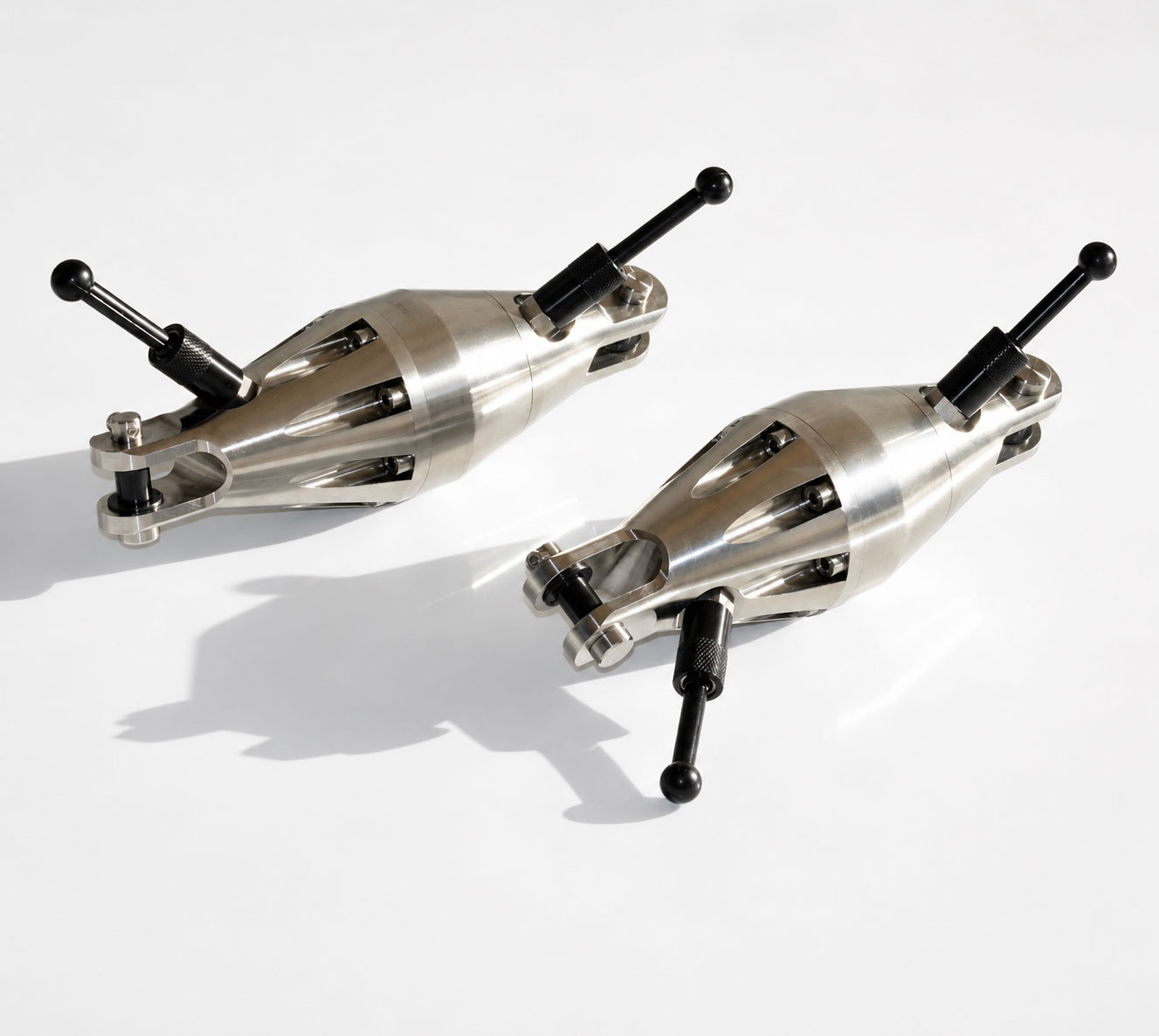
The Develogic Swivel C45 is a 35 kN mooring swivel with conductive feed‑through is engineered for reliable power and data transfer across rotating mooring interfaces in demanding oceanographic applications.


swivel_1208x1080
swivel_2_1208x1080

Its full Titanium Grade 5 construction, high‑performance bearings, and synthetic bushings ensure long‑term, maintenance‑free operation. The pressure‑balanced, oil‑filled design enables deployment to depths of up to 6,000 metres (19,000 ft).

Electrical feed‑throughs support 10, 12, or 16 signals at 220 V AC/DC and 2 A per conductor. Designed using DNVGL‑ST‑0378 methodology and pressure‑tested to API 17F standards, the Swivel C45 provides robust, traceable performance for buoys, mooring systems, and deep‑sea instrumentation.

Key Features

0

kN

Working Load Limit (WLL)

0

AC/DC

Power pass through, 2A per signal

0

m

Maximum depth rating

Design

Oil filled with pressure balancing

Material

Titanium Grade 5

0

Supports up to 16 signals

Standards

Pressure tested according to API 17F

Compatibility

For Shackles with 22 mm bolt diameter and minimum 30 mm spacing e.g. 4.75 ton DIN EN 13889 shackles

Ownership

Maintenance free
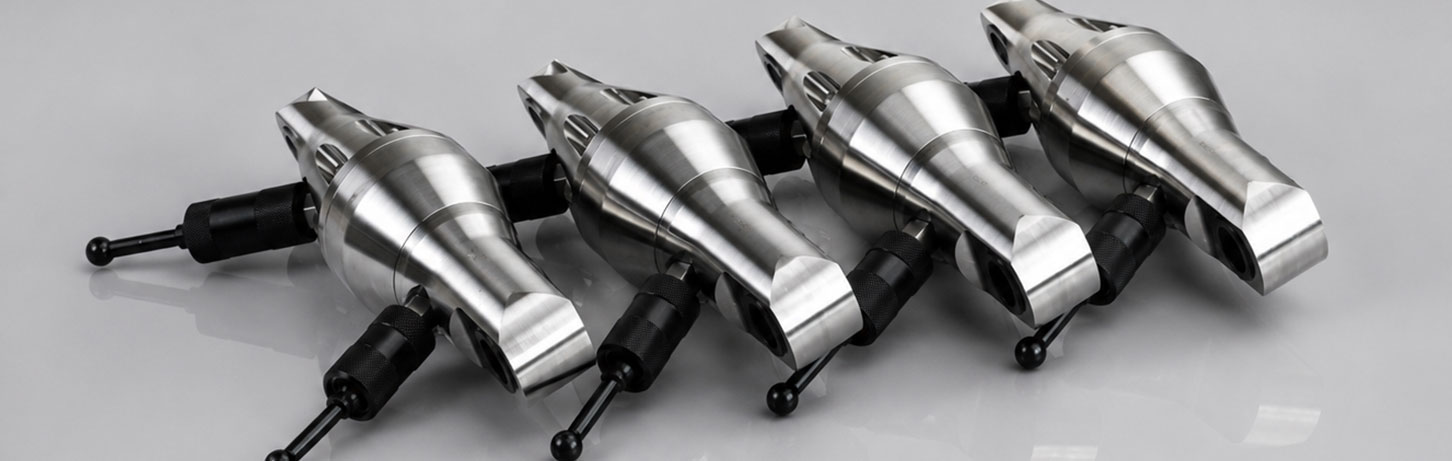
Engineered for extreme ocean conditions, this 35 kN Titanium swivel delivers reliable power and data transfer to 6,000 metres with maintenance‑free, pressure‑balanced performance.

Ensure absolute reliability in your mooring systems with our 35 kN-rated Titanium Swivel C45. Designed for deep‑sea endurance, seamless power and data transfer, and maintenance‑free operation in water depths down to 6,000 metres. Choose the swivel engineered for long‑term stability, certified performance, and mission‑critical oceanographic deployments.

Request datasheet Request datasheet

FAQs

Interested in this product?

Below you’ll find answers to the questions we’re asked most often. If your query isn’t covered, get in touch and we’ll provide the guidance you need.

The swivel supports a 35 kN Working Load Limit (WLL). If you need less, we have a 15kN rated swivel also available for lighter load applications.

Yes. The optional conductive feed‑through supports 10, 12, or 16 signal, each rated for 220 V AC/DC and 2 A per conductor.

Absolutely. It is oil‑filled and pressure‑balanced, allowing reliable operation at up to 6,000 metres (19,000 ft) depth, and is pressure‑tested according to API 17F.

The swivel is made from Titanium Grade 5 for maximum corrosion resistance. As standard it supports multiple MCBH connector types and can be customised on request.

No. The high‑quality bearings, seals, and synthetic bushings enable maintenance‑free long‑term operation, even under continuous load in harsh ocean environments.

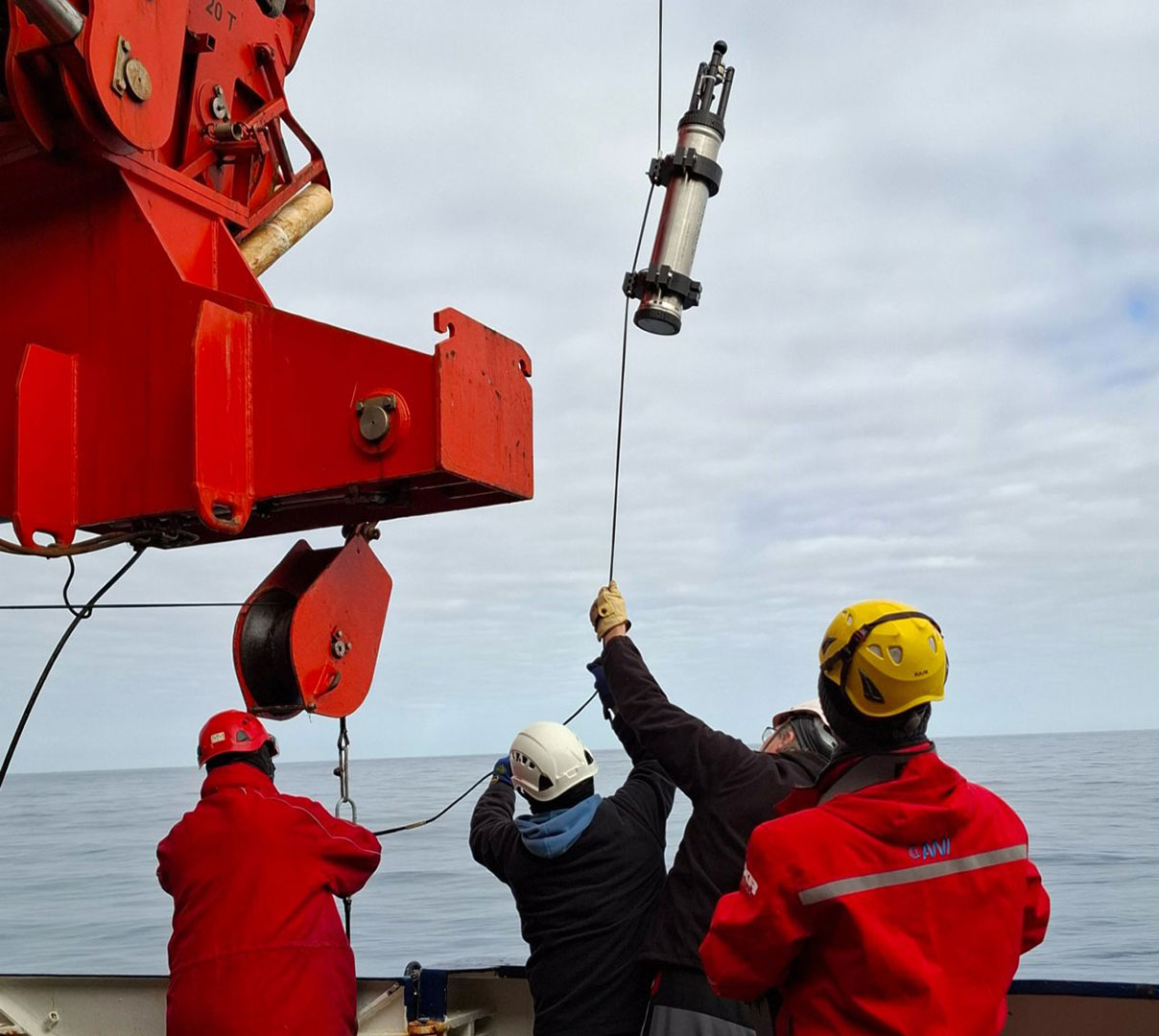
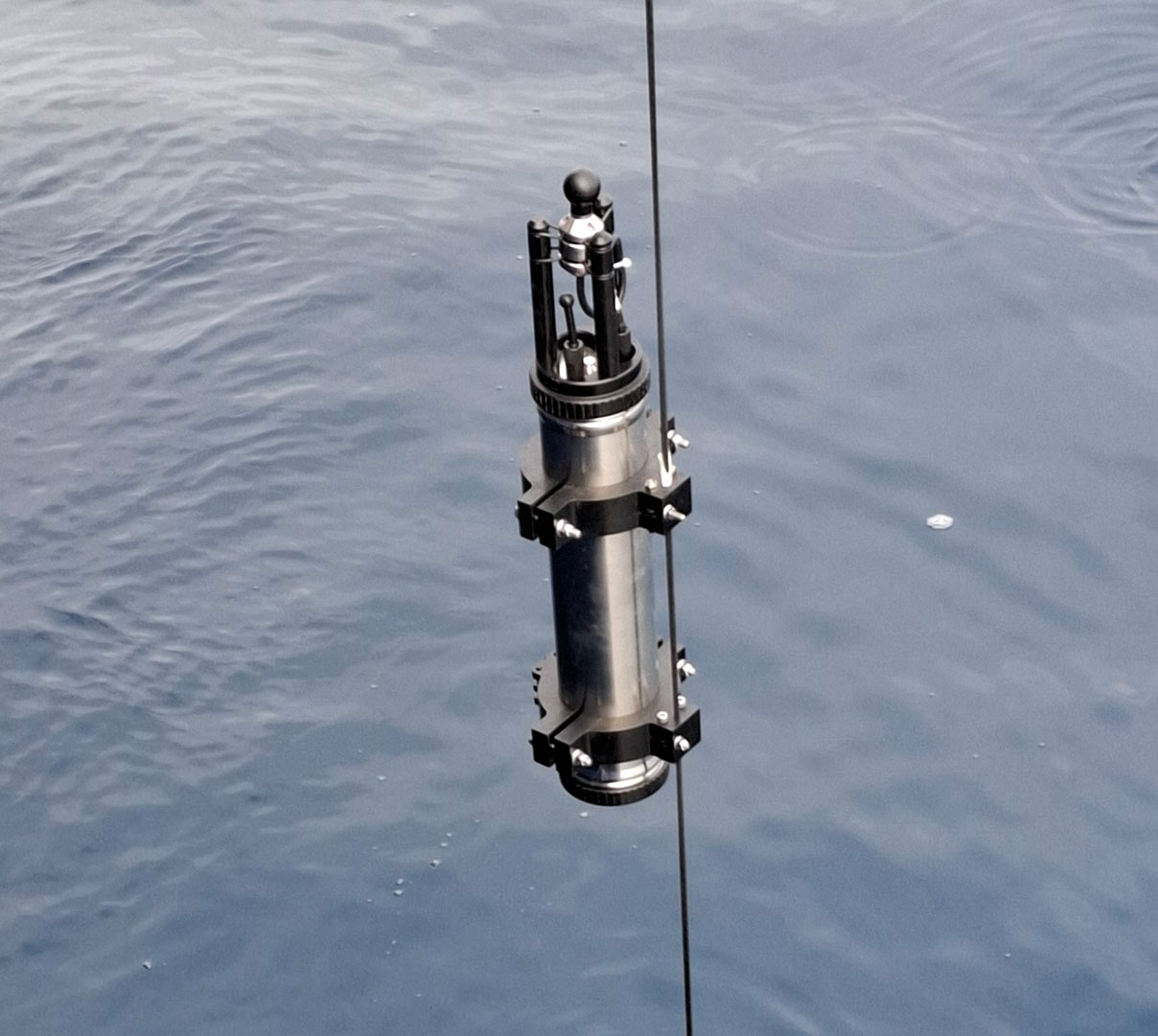
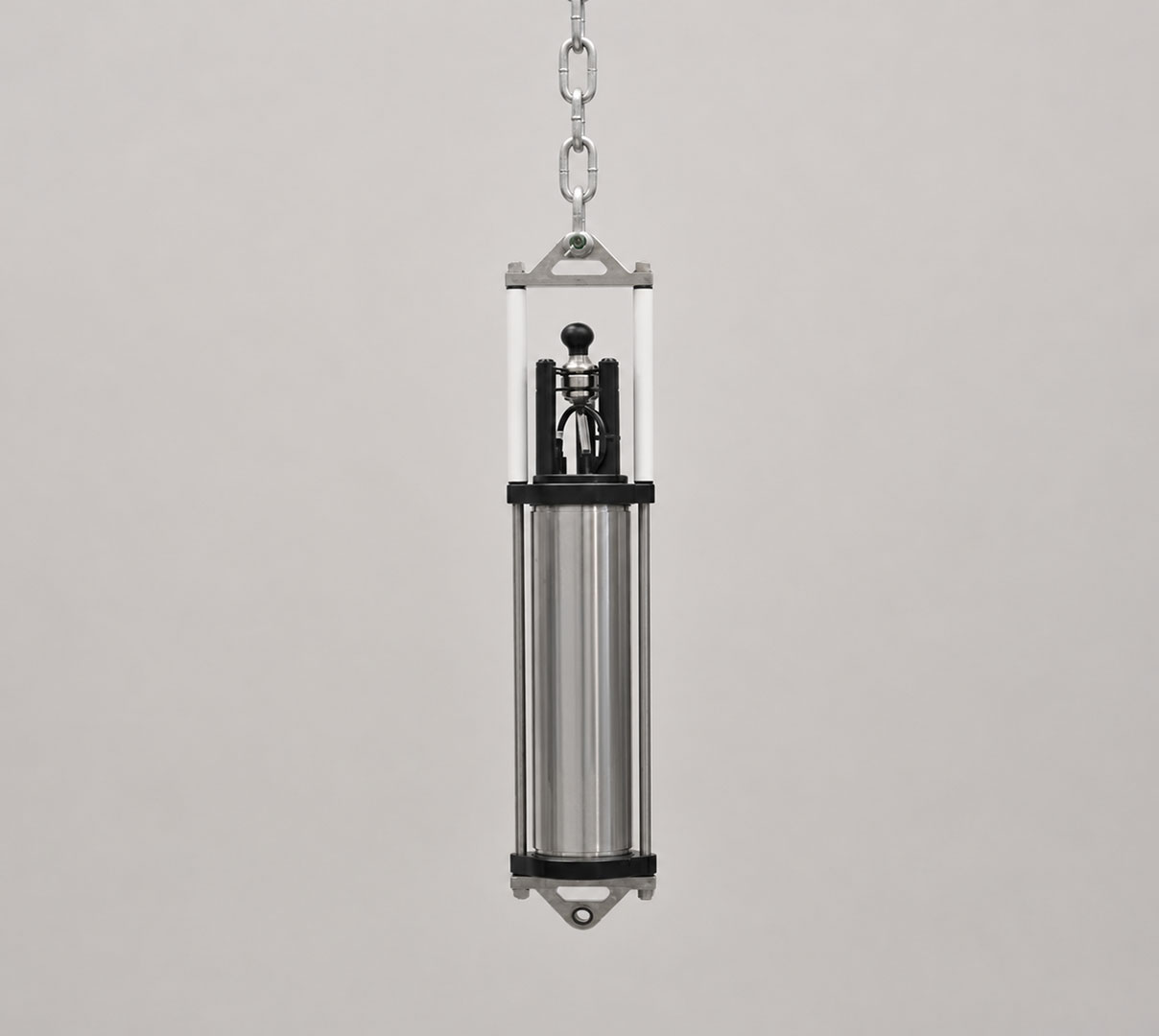
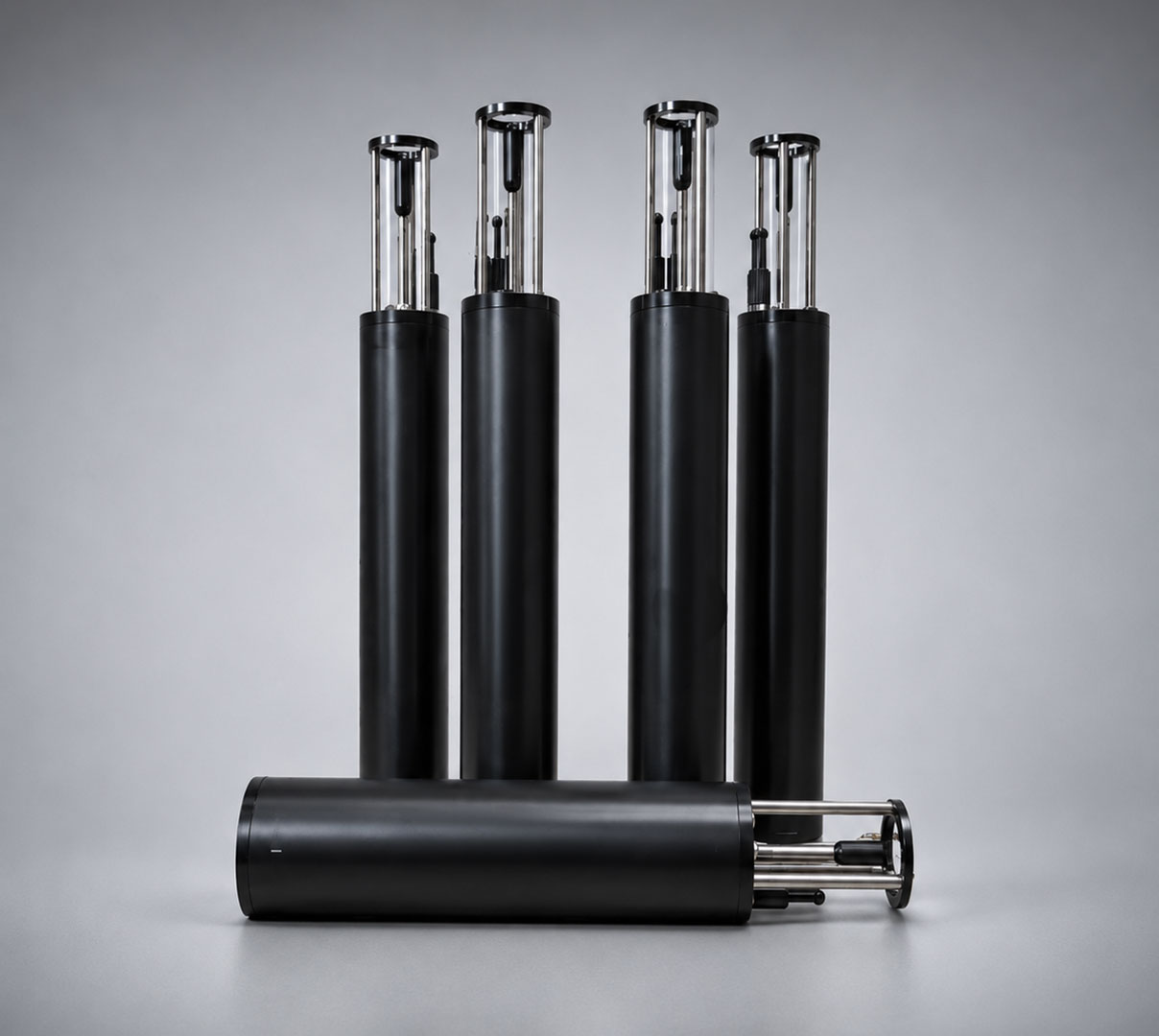
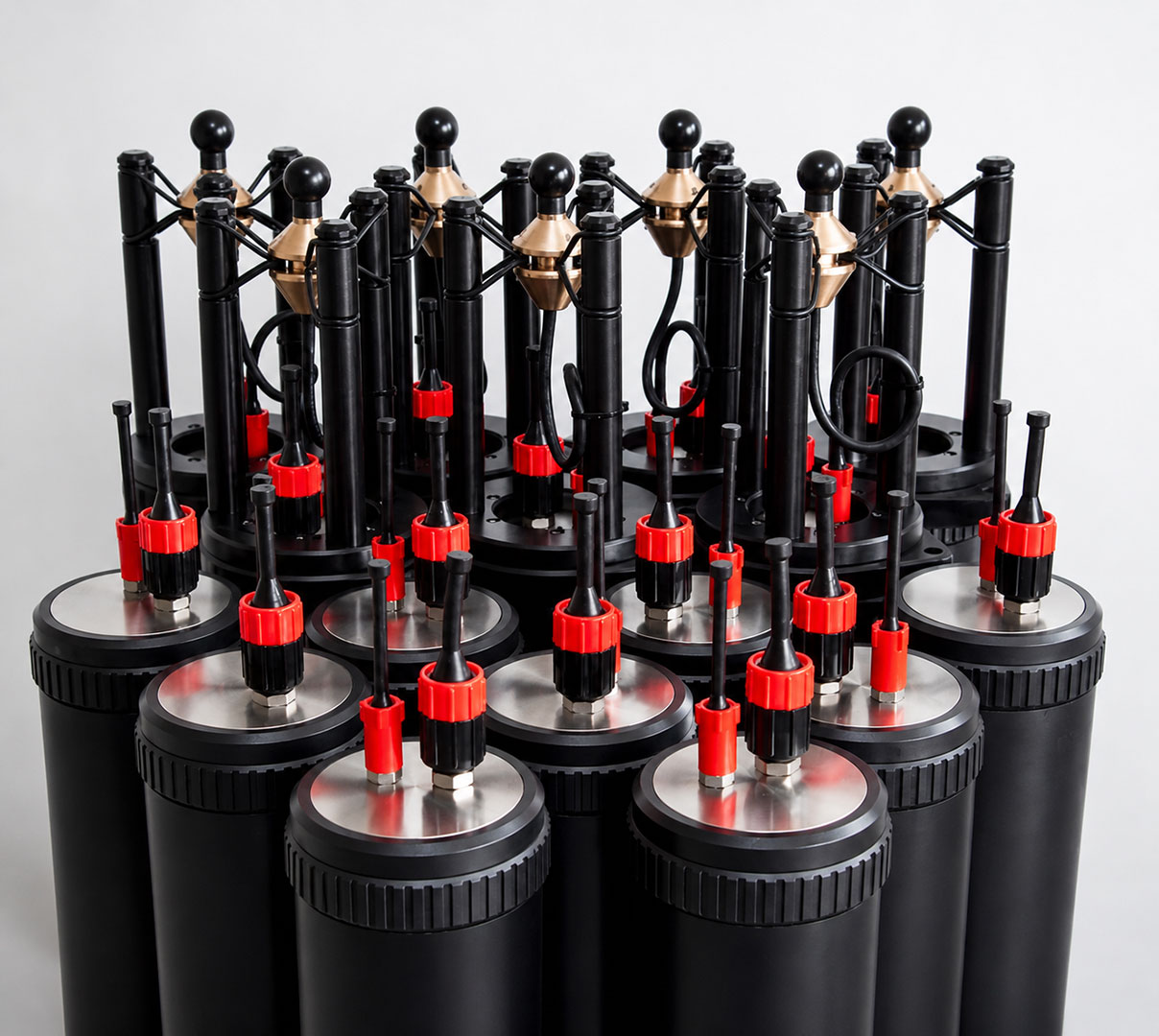
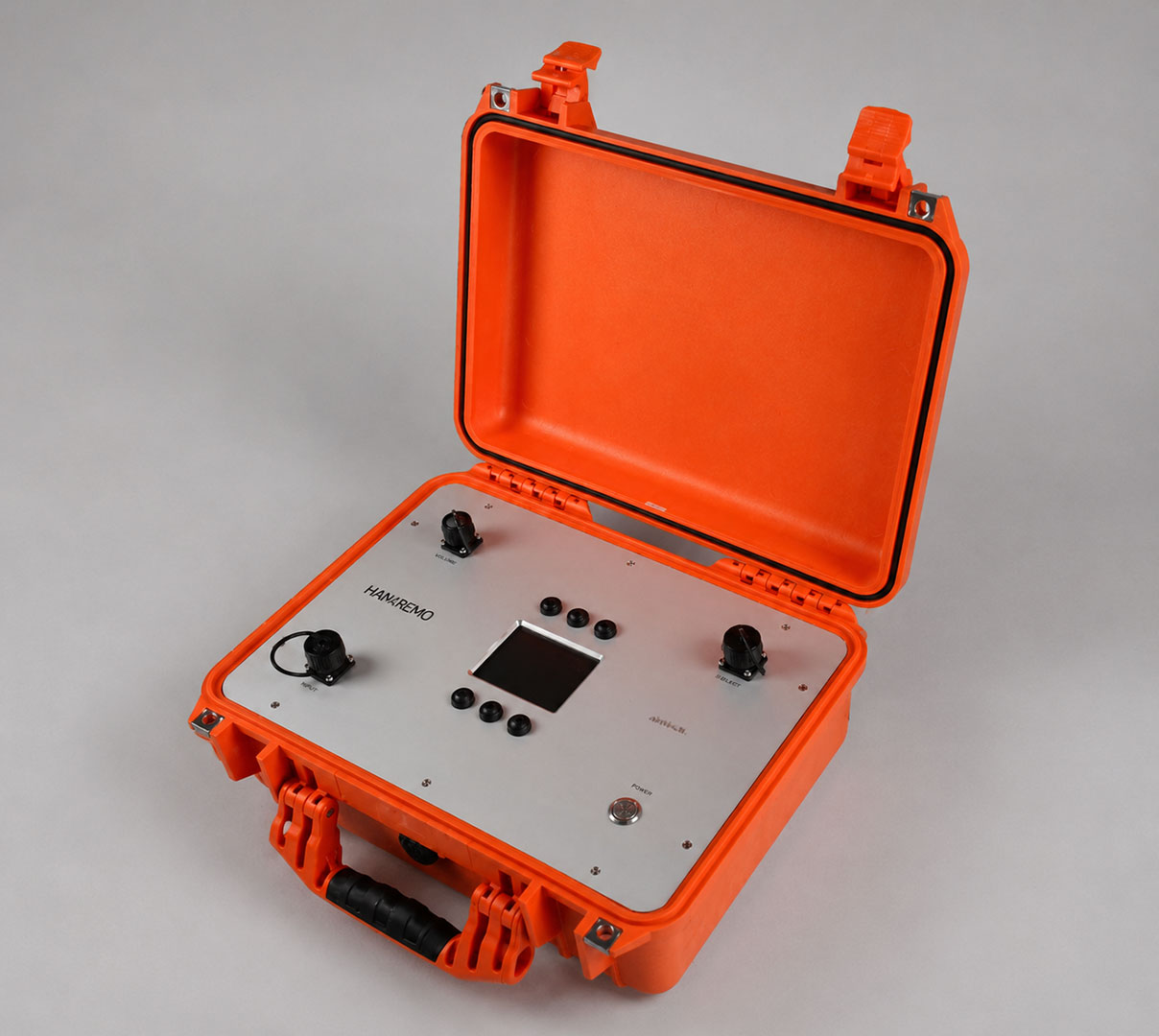
The Develogic Sono.Vault SubMAReS is a modular deep‑sea acoustic recording system designed for long‑duration deployments and high‑fidelity underwater monitoring. It supports up to 36TBs with four fully synchronised 24‑bit channels and offers expandable storage up to 36 TB, enabling continuous multi‑year data collection.

recorder_1208x1080
sonovault_2_1208x1080

Its low‑power architecture, integrated battery housing, and optional external battery modules ensure mission durations of up to two years. The system provides live Ethernet audio streaming, GPS‑based PPS time synchronisation, and flexible sensor interfacing via RS‑232. Rated to 6000 m depth and pressure‑tested to industry standards, it delivers reliable performance for environmental monitoring, marine biology, and leakage detection applications.

Key Features

0

TB

Secure, onboard storage

0

kSPS

Data sampling rate

Construction

Titanium Grade 5

0

m

Depth rating

Compliance

Pressure tested according API 17F

0

Up to four channels of simultaneous sampling

0

years

Up to two years continuous logging depending on sampling regime

0

Bit

Sampling resolution

Customisation

Programmable input amplifier and recording schedule
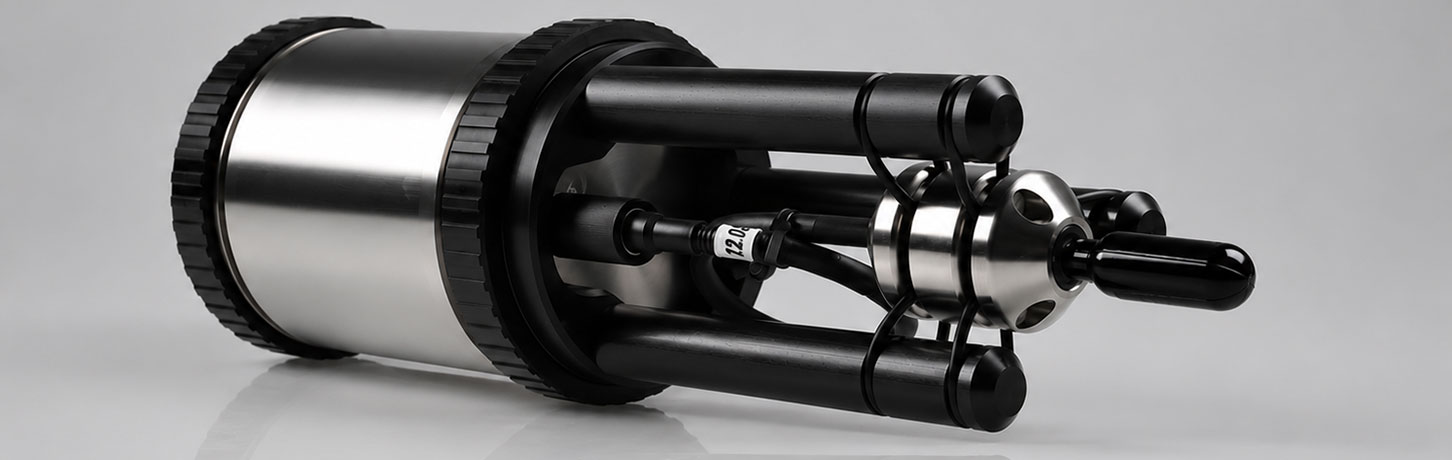
Engineered for the deepest missions, Sono.Vault SubMAReS delivers reliable multi‑year acoustic recording and live streaming with up to 36 TB storage and uncompromised 24‑bit fidelity.

Unlock the full potential of deep‑sea acoustic monitoring with Sono.Vault SubMAReS. Capture high‑resolution data for years, stream live when needed, and rely on unmatched storage, precision, and durability. Choose the system engineered for the world’s most demanding underwater missions.

Request datasheet Request datasheet

FAQs

Interested in this product?

Below you’ll find answers to the questions we’re asked most often. If your query isn’t covered, get in touch and we’ll provide the guidance you need.

With its low‑power design and internal battery housing, the system supports up to two years of continuous operation, extendable with external battery containers.

The base system includes up to 4 TB, but storage can be expanded to 36 TB, enabling long‑term, high‑resolution multi‑channel recordings.

Yes. Sono.Vault SubMAReS supports up to four fully synchronised channels at full sampling rate and 24‑bit resolution.

Absolutely. The system is rated to 6000 metres (approx 19,000 ft) depth, pressure‑tested according to API 17F, and delivered with a certified test protocol.

Both. It offers live Ethernet audio streaming for real‑time monitoring as well as long‑term autonomous recording with large onboard storage.

The Develogic Swivel C15 is a 15 kN mooring swivel with conductive feed‑through is engineered for reliable power and data transfer across rotating mooring interfaces in demanding oceanographic applications.


swivel_1208x1080
swivel_6_1208x1080

Its full Titanium Grade 5 construction, high‑performance bearings, and synthetic bushings ensure long‑term, maintenance‑free operation. The pressure‑balanced, oil‑filled design enables deployment to depths of up to 6,000 metres (19,000 ft).

Electrical feed‑throughs support 2, 3, 4, 6 or 8 signals at 220 V AC/DC and 2 A per conductor. Designed using DNVGL‑ST‑0378 methodology and pressure‑tested to API 17F standards, the Swivel C15 provides robust, traceable performance for buoys, mooring systems, and deep‑sea instrumentation.

Key Features

0

kN

Working Load Limit (WLL)

0

AC/DC

Power pass through, 2A per signal

0

m

Maximum depth rating

Design

Oil filled with pressure balancing

Material

Titanium Grade 5

0

Supports up to eight signals

Compliance

Pressure tested according to API 17F

Compatibility

For Shackles with 22 mm bolt diameter and minimum 30 mm spacing e.g. 4.75 ton DIN EN 13889 shackles

Ownership

Maintenance-free
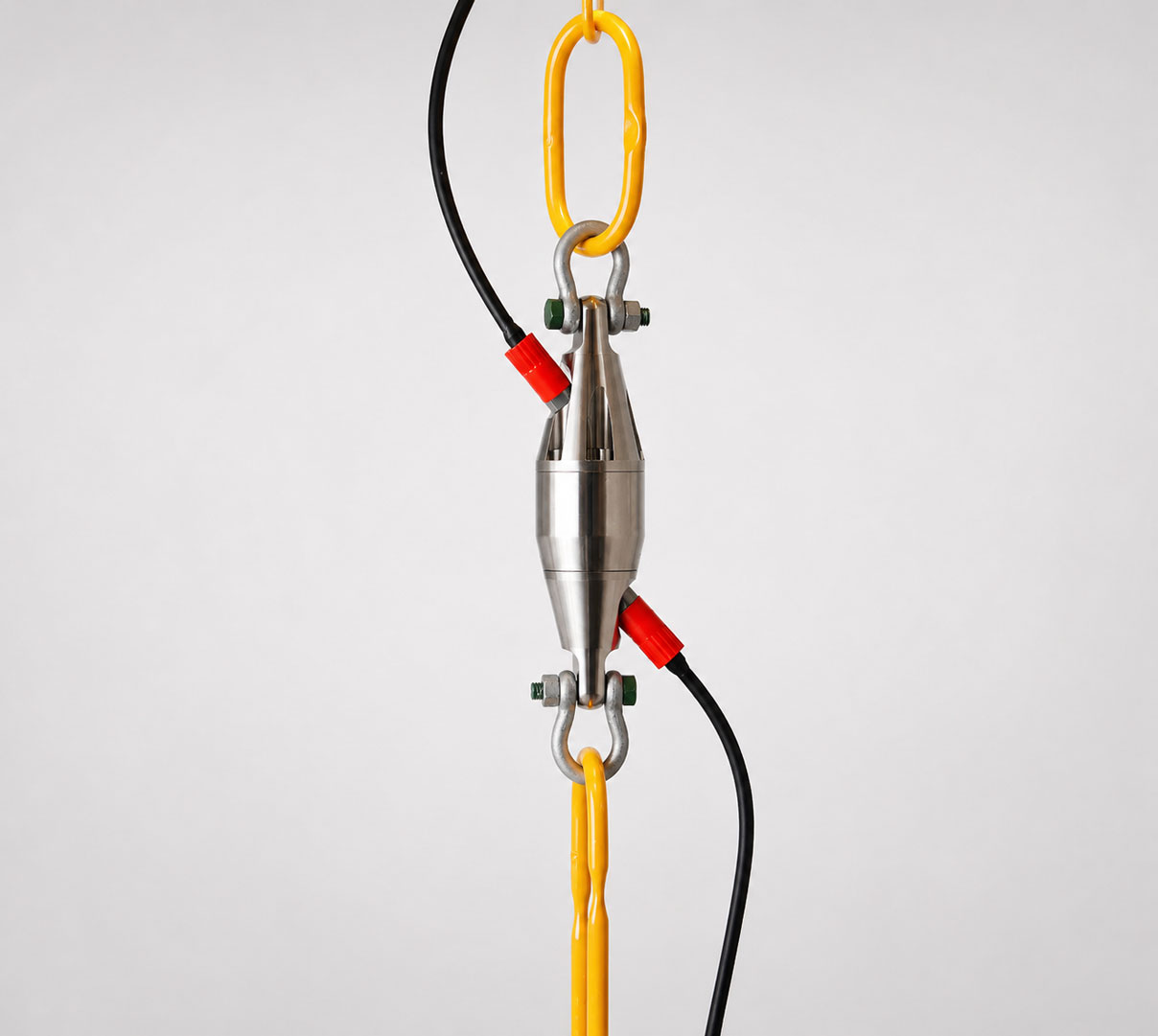
Engineered for extreme ocean conditions, this 15 kN titanium swivel delivers reliable power and data transfer to 6000 metres with maintenance‑free, pressure‑balanced performance.

Ensure absolute reliability in your mooring systems with our 15 kN-rated Titanium Swivel C15. Designed for deep‑sea endurance, seamless power and data transfer, and maintenance‑free operation in water depths down to 6,000 metres. Choose the swivel engineered for long‑term stability, certified performance, and mission‑critical oceanographic deployments.

Request datasheet Request datasheet

FAQs

Interested in this product?

Below you’ll find answers to the questions we’re asked most often. If your query isn’t covered, get in touch and we’ll provide the guidance you need.

The swivel supports a 15 kN Working Load Limit (WLL). If you need more, we have a 45 kN rated swivel also available for heavy load applications.

Yes. The optional conductive feed‑through supports 2, 3, 4, 6 or 8 signals, each rated for 220 V AC/DC and 2 A per conductor.

Absolutely. It is oil‑filled and pressure‑balanced, allowing reliable operation at up to 6,000 metres (19,000 ft) depth, and is pressure‑tested according to API 17F.

The swivel is made from Titanium Grade 5 for maximum corrosion resistance. As standard it supports multiple MCBH connector types and can be customised on request.

No. The high‑quality bearings, seals, and synthetic bushings enable maintenance‑free long‑term operation, even under continuous load in harsh ocean environments.

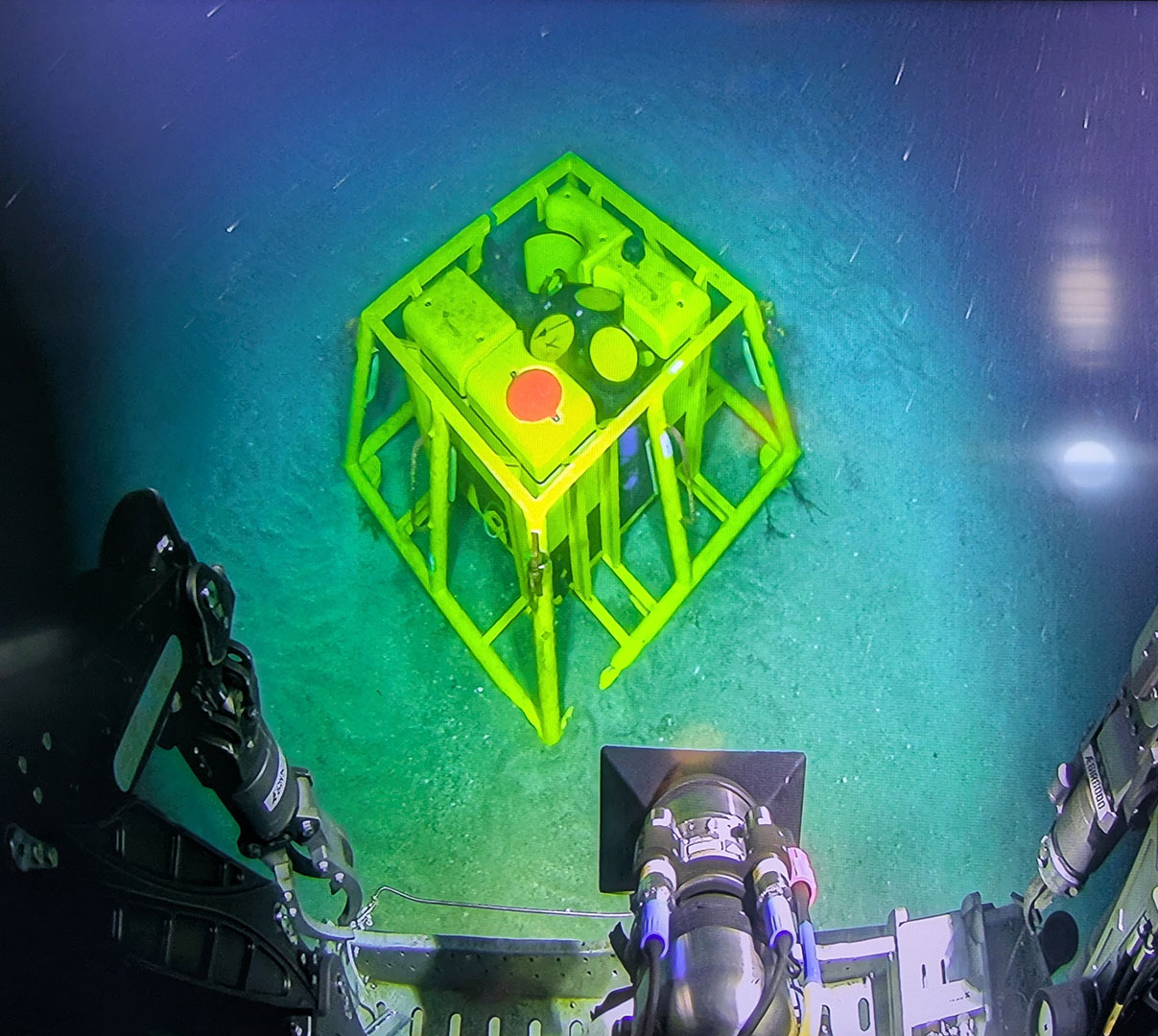
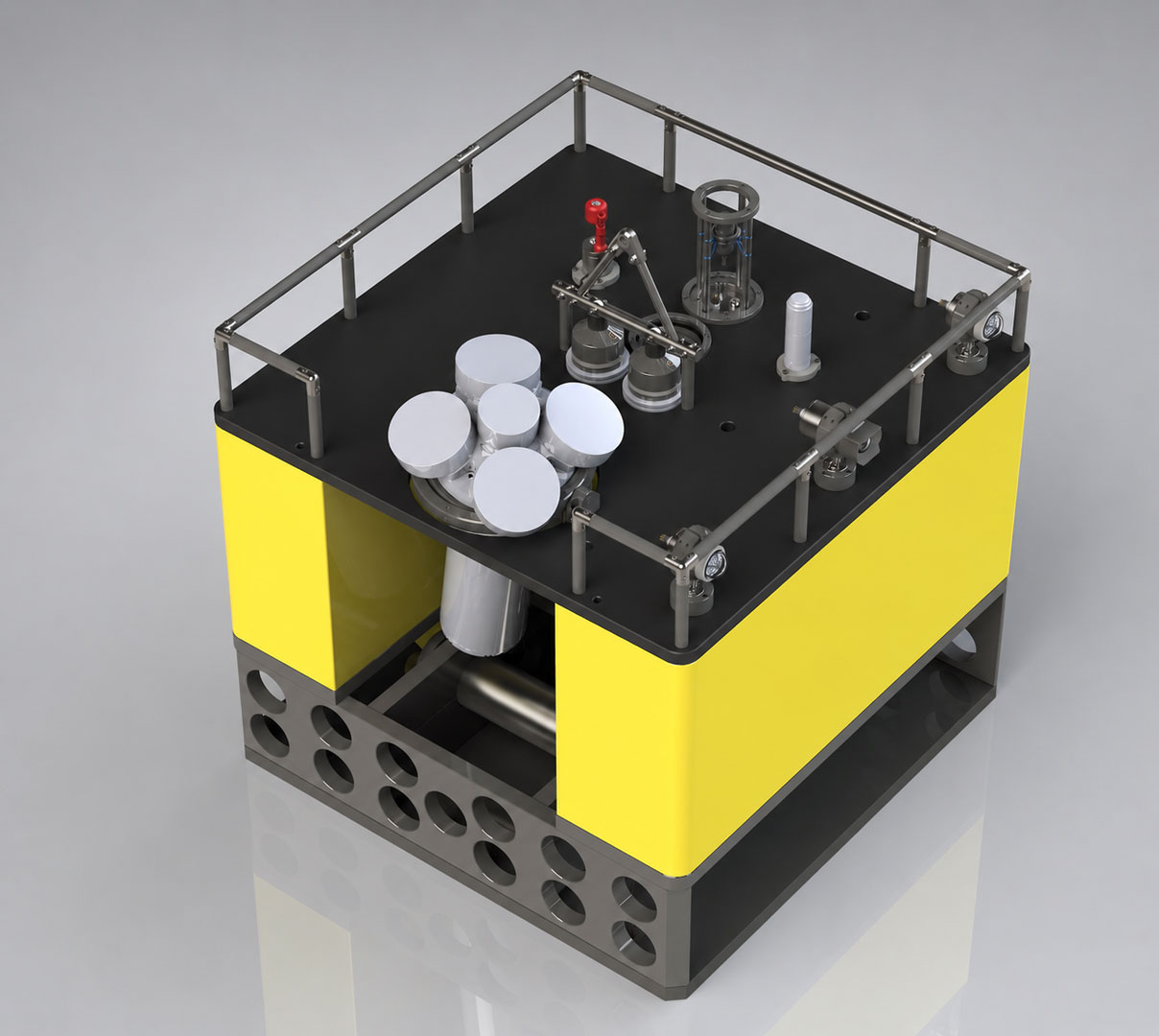
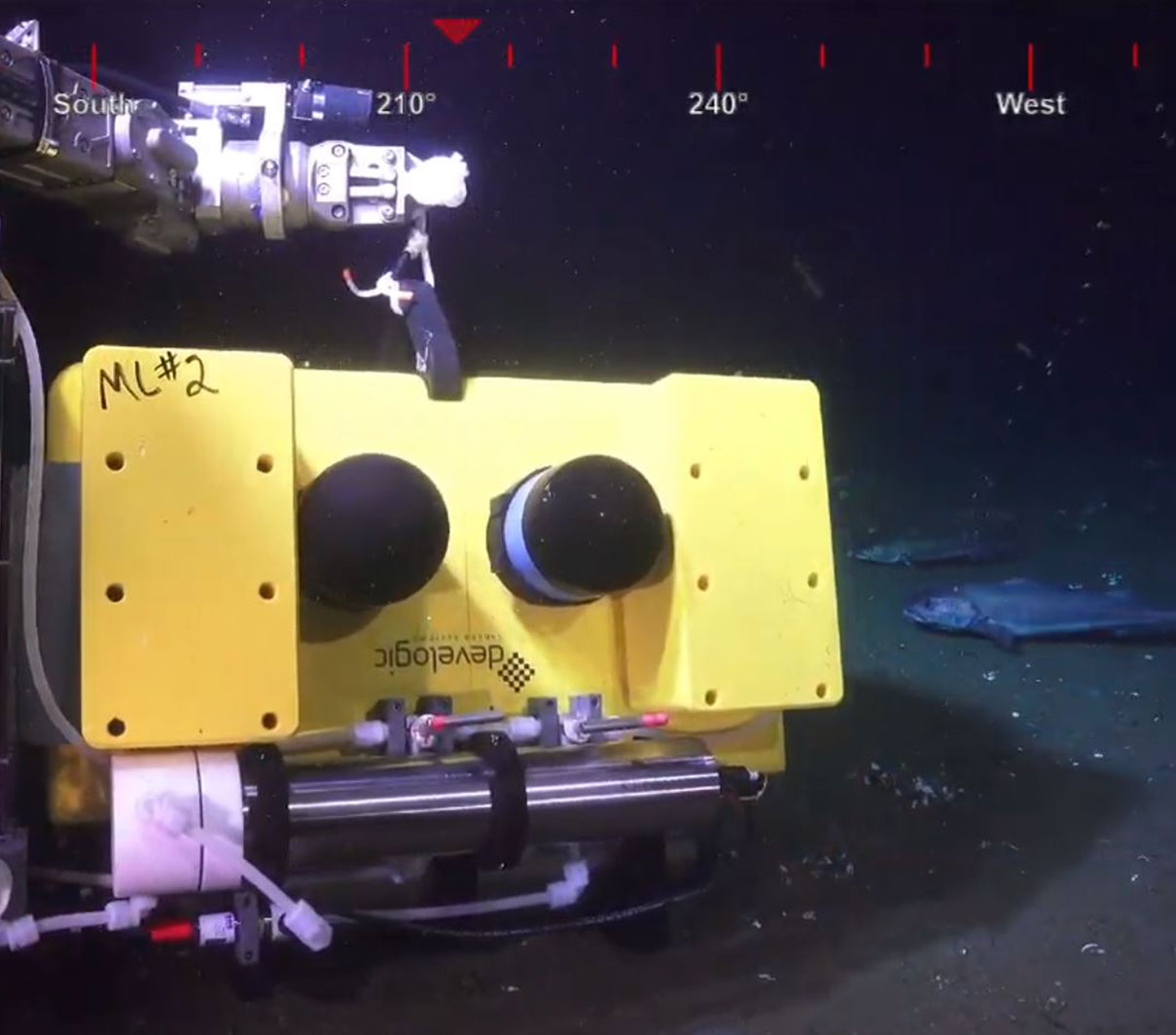
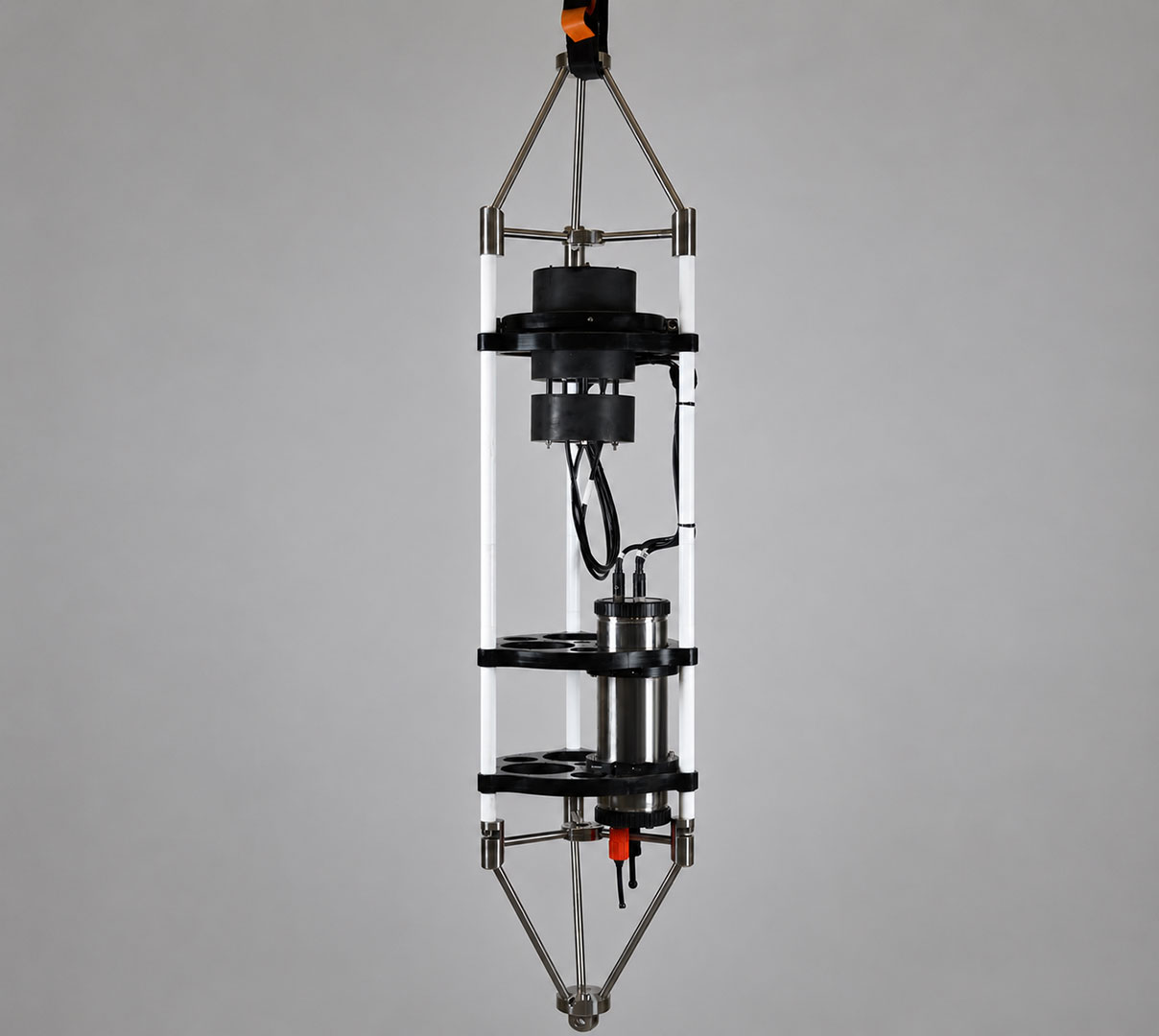
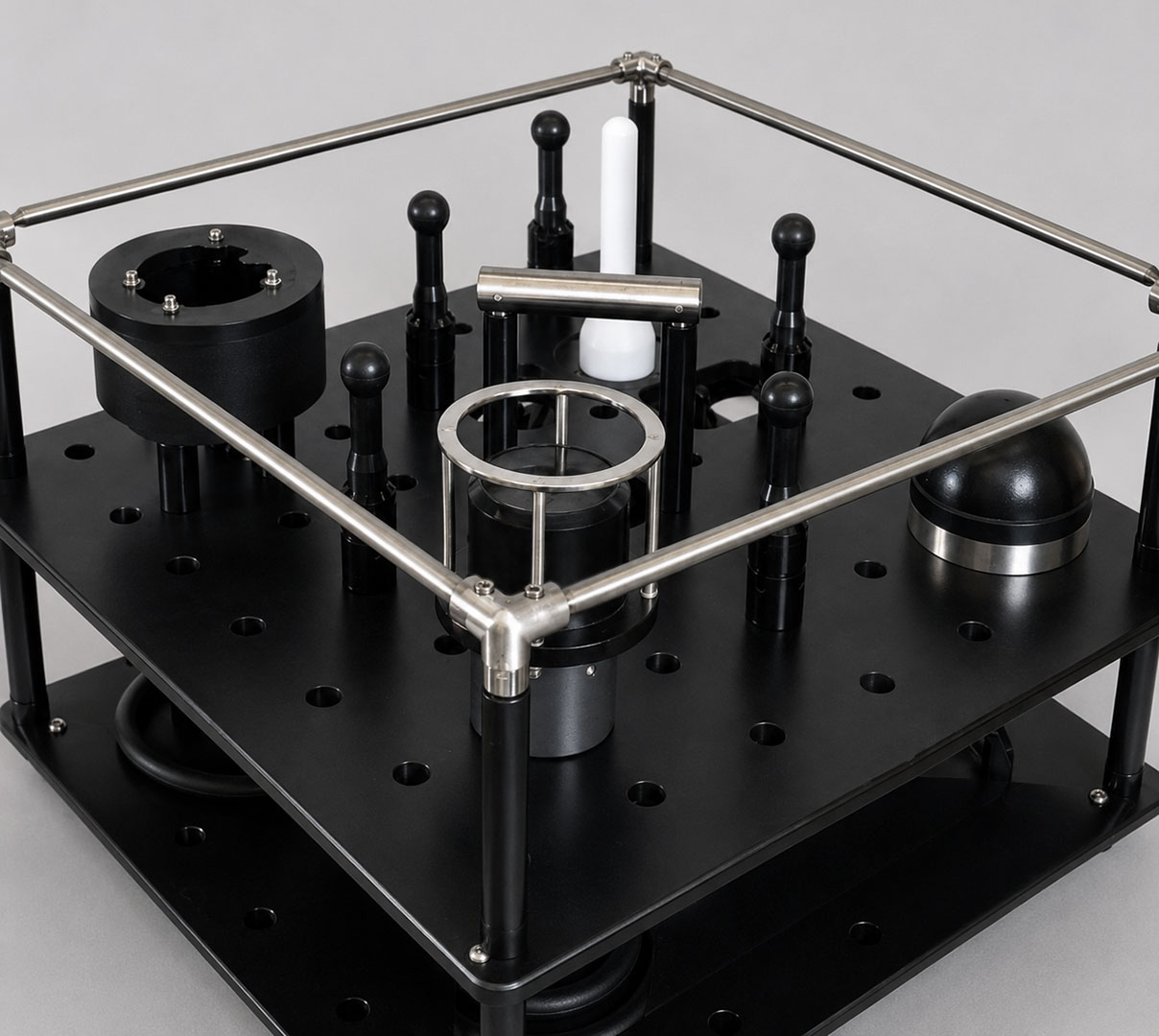
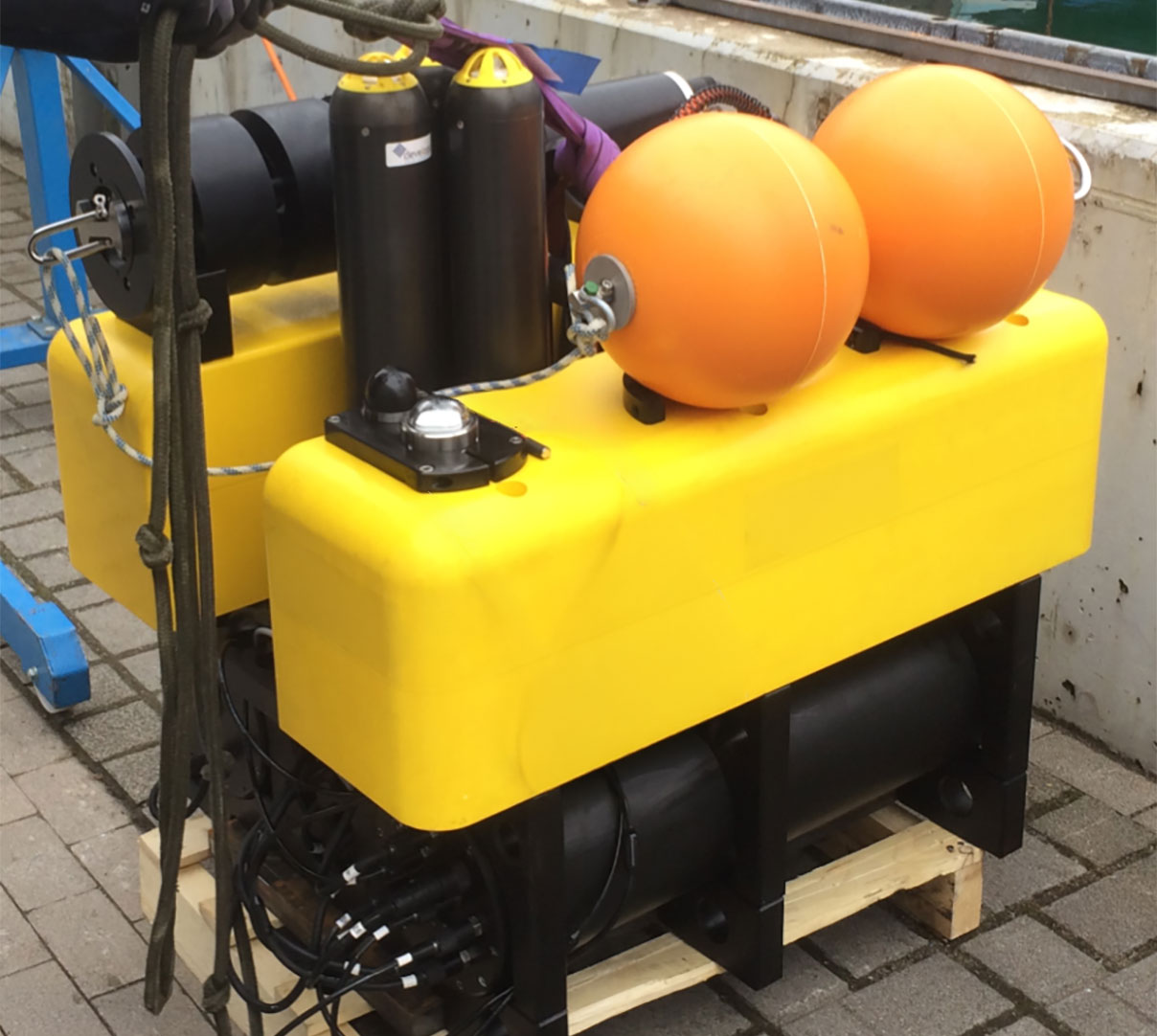
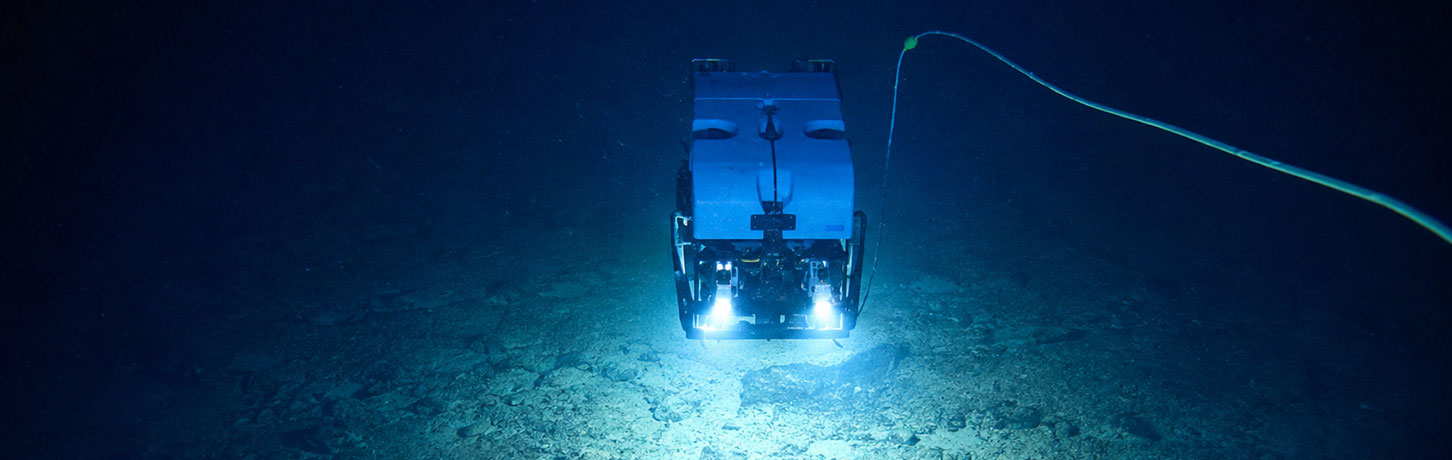
The Develogic Modular Seafloor Lander (MSL) is a compact, high-performance observatory system for long-term autonomous monitoring of seabed and water column environments.


msl_1208x1080
msl_3_1208x1080

Designed for deployments of 12-24 months and depths down to 6000 metres, the MSL combines Develogic’s in-house datalogger, power system, acoustic communication and recovery technologies with seamless third-party sensor integration. Free-fall deployment and acoustic-release recovery eliminate the need for ROVs or divers, significantly reducing offshore risk and projects costs.

The system supports centralised or distributed architectures, real-time data via satellite or cable, and water column extensions via moorings. Built to ISO, DNV, API and NORSOK standards, it ensures reliable operation across demanding offshore applications.

Key Features

0

+

Supported sensor integration sensor integration (CTD, ADCP, O2, CO2, CH4, turbidity, cameras, acoustics)

0

yrs

12-24 months typical deployment time, depending on battery size and sampling rate.

0

m

1500 / 3000 / 6000 metre depth rated options available

Comms

Hybrid communication: acoustic, optical, EM + satellite or fibre options

Design

Develogic core system: datalogger, Li battery housings, acoustic comms

Size

< 1 ton weight, <1 m² footprint

Offload

Real-time data capability via gateway buoy + satellite or cable

Architecture

Centralised or distributed architecture with flexible system configuration

Monitoring

Integrated mooring support for multi-depth water column monitoring

Deployment

ROV-free deployment via free-fall descent to seabed (no subsea intervention required).

Recovery

Acoustic release recovery with ballast drop and positive buoyancy ascent

Compliance

ISO, DNV, API (17F), NORSOK, AD2000 and others

Deploy anywhere. Monitor everything. Recover effortlessly. A truly autonomous seabed observatory combining deep-sea capability, modular sensing, and flexible data delivery without costly offshore intervention.

Plan your next monitoring campaign with a system engineered for reliability, flexibility, and cost efficiency.

From environmental studies to offshore energy and subsea infrastructure monitoring, the Develogic Modular Seafloor Lander adapts to your requirements, business model, and deployment scenario. Contact us today to configure your solution.

Request datasheet Request datasheet

FAQs

Interested in this product?

Below you’ll find answers to the questions we’re asked most often. If your query isn’t covered, get in touch and we’ll provide the guidance you need.

No. The Modular Seafloor Lander is designed for ROV- and diver-free operations, reducing offshore complexity and cost.

Deployment is performed using a standard vessel deck crane, without the need for an A-frame or long lifting wire. The system is released in free-fall directly from under the splash zone level, eliminating subsea intervention.

For recovery, an acoustic command releases the ballast plate, allowing the lander to ascend via positive buoyancy. If required, the ballast plate can also be retrieved afterward using a Dyneema rope connection, supporting environmental requirements and providing additional stability during lifting by keeping the system “anchored” during recovery.

Typical deployments last 12 months, enabling full seasonal environmental monitoring. Depending on the instrument configuration, sampling rates, and battery capacity, deployments of up to 24 months are achievable.

The system uses modular battery housings with Li primary cells and intelligent power control, allowing you to optimise:
• monitoring duration
• data resolution
• number and type of sensors

This flexibility allows precise tailoring of the system to project requirements, avoiding overdesign or unnecessary cost. The modular design also allows quick upgrades or reconfiguration between deployments, supporting long-term monitoring programs with evolving requirements.

Yes. The Modular Seafloor Lander supports multiple data access approaches, from fully autonomous to real-time monitoring:
• post-recovery (standard): full dataset retrieved after deployment
• periodic wireless access: data transfer via acoustic, optical, or electromagnetic communication, including connections to AUVs, USVs, or surface gateways
• real-time monitoring: integration with moored buoys transmitting via satellite
• direct cabled connection: continuous power supply and real-time high-bandwidth data transmission

This flexibility allows periodic inspections, adaptive mission control, or continuous monitoring – unlike many traditional landers that only support data retrieval after recovery.

The platform supports extensive modular integration of both third-party and Develogic systems.

Typical sensors include:
• physical: CTD, ADCP, current profilers
• chemical: O2, CO2, pH, CH4, turbidity, chlorophyll
• acoustic: active systems and passive multi-channel recorders
• imaging: stereo HD cameras with synchronized lighting
• custom or client-specific instrumentation

The Develogic datalogger manages:
• power distribution
• communication scheduling
• data collection, filtering, and light post-processing

You can choose between:
• centralised architecture (single power/data hub), or
• distributed architecture (standalone instruments integrated mechanically)

This ensures compatibility with almost any monitoring concept.

Yes. The system is engineered for both scientific and industrial-grade deployments, with strong positioning in deep water.
Key points:
• depth ratings: up to 6000 m, with optimized configurations at 3000-6000 m
• designed and tested according to ISO, DNV, API (17F), NORSOK, AD2000 standards
• proven suitability for: offshore oil & gas, offshore wind, CCUS monitoring, subsea mining, environmental research

While highly competitive in deep-water applications, the system also remains scalable for shallower deployments where flexibility and modularity are required.

Traditional subsea monitoring technologies each offer specific advantages, but often require compromises. Classical benthic landers provide a flexible deployment platform but typically rely on manual recovery to access data. Ocean-bottom nodes (OBNs) deliver long-duration autonomous operation but are generally focused on seismic applications. Cabled observatories enable real-time data access but require significant infrastructure investment and installation effort.

The Modular Seafloor Lander combines the strengths of these approaches in a single, compact system. Hybrid communications and acoustic release functionality simplify deployment and recovery, while its modular architecture supports a wide range of environmental monitoring sensors beyond seismic applications. Optional real-time data transmission provides many of the benefits of a cabled observatory without the need for permanent subsea infrastructure.

With a compact, containerised design weighing less than one tonne, the system also reduces the logistical complexity and cost associated with larger subsea installations.

In practical terms, the Modular Seafloor Lander delivers:

• the long-endurance autonomy typically associated with ocean-bottom nodes
• the flexibility and sensor adaptability of traditional landers
• the data accessibility of cabled systems, without the infrastructure burden

All within a single, deployable platform designed for efficient and cost-effective subsea monitoring.

To support different project needs and budgets, we offer flexible commercial options:
• equipment supply (purchase)
• short- or long-term rental
• data-as-a-Service (DaaS) – we deploy, operate, and deliver processed data

This allows customers to:
• minimise upfront investment
• scale monitoring programs
• focus on data insights instead of operations

Yes. The Modular Seafloor Lander is specifically designed for repeated deployments and easy reconfiguration, making it a long-term asset rather than a single-use system.

Its modular mechanical structure and hardware architecture allow:
• fast replacement or upgrade of sensors and instruments
• adjustment of battery capacity and mission duration
• integration of new subsystems (e.g. moorings, communication options, cameras)

Both centralised and distributed system architectures support flexible reconfiguration between campaigns without major redesign.

This enables:
• multi-year monitoring programs using the same platform
• adaptation to changing project requirements
• reduced total cost of ownership compared to more rigid or application-specific systems

In practice, operators can recover, reconfigure, and redeploy the system within short turnaround times, supporting efficient campaign-based or seasonal monitoring strategies.

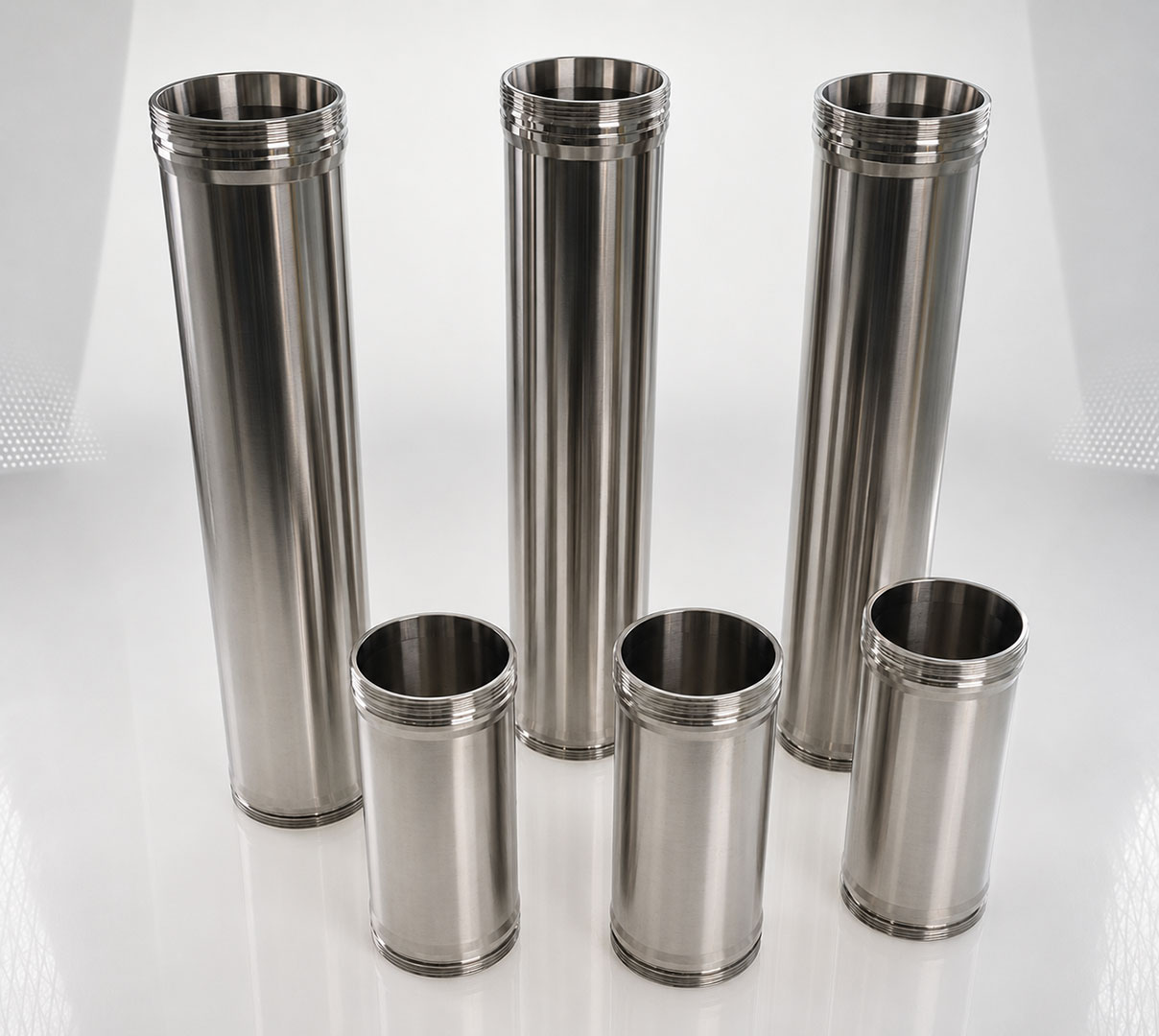
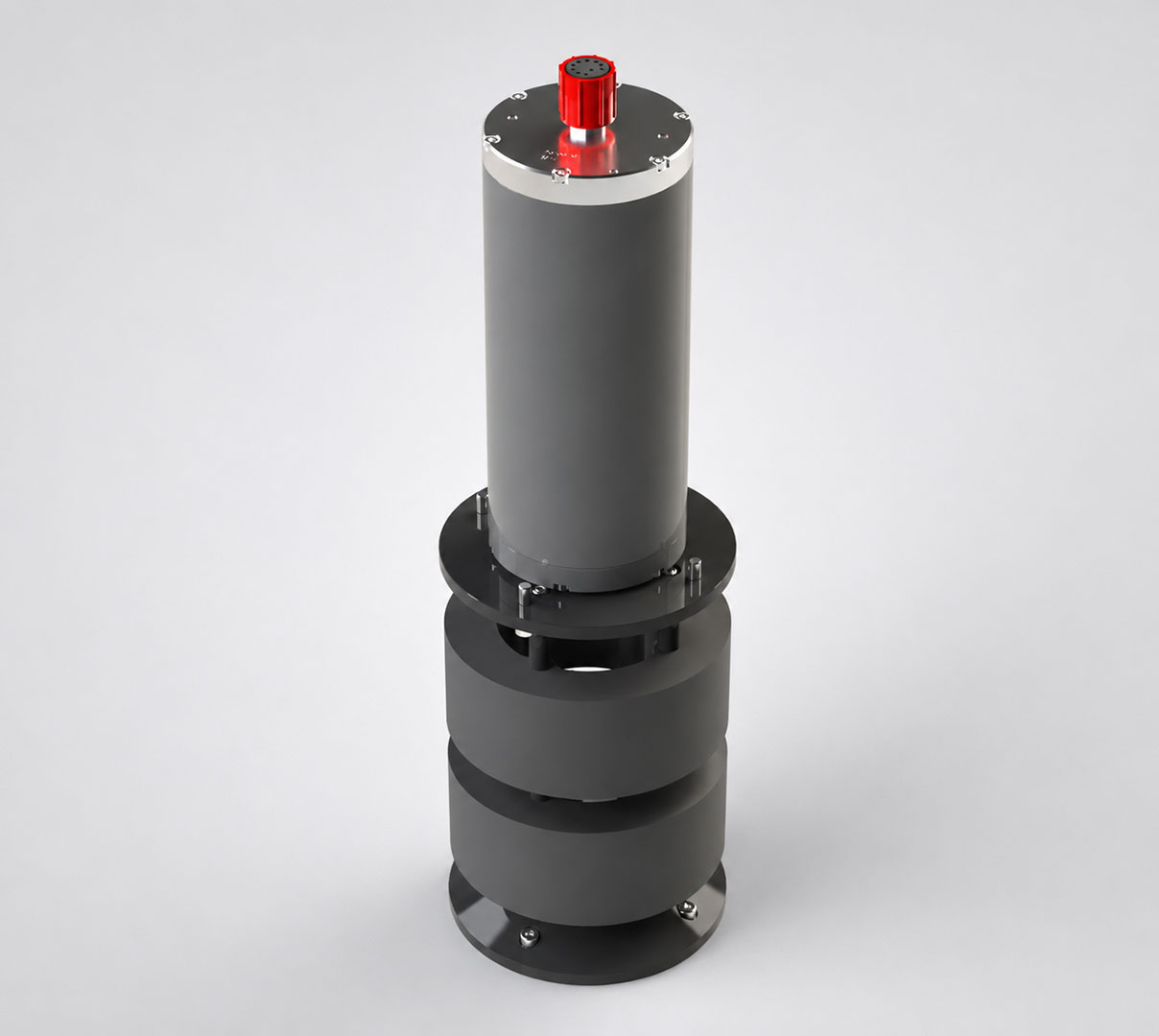
Develogic Titanium Pressure Housings provide a lightweight, corrosion‑resistant solution for protecting electronics, batteries, cameras, and sensors in harsh subsea environments.


housing_1208x1080_2
housing_1208x1080

Designed for shallow to ultra‑deep deployments, they offer depth ratings up to 6,000 metrers with a 1.5 safety factor. Titanium construction ensures long‑term durability, while customisable endcaps support connectors, sensors, optical ports, and pressure‑relief options.

Tool‑free and bolted designs enable easy handling, maintenance, and secure sealing. Multiple lengths, diameters, and accessories, such as mooring frames and couplers, allow tailored configurations. Each housing is pressure‑tested to API 17F standards, ensuring reliable performance from coastal waters to deep‑sea missions.

Key Features

0

m

Depth rated up to 6,000 m (19,600ft)

0

Max number of endcap connectors

Material

Titanium Grade 5

Design

Tool free or bolted endcap design

Compliance

Pressure tested according API 17F

Ports

Optical flat or dome ports available

Long-life

Superior long term corrosion resistance

Size

Off-the-shelf housings with 111mm & 182mm inner diameter

Customisation

Possibility to integrate sensor mountings
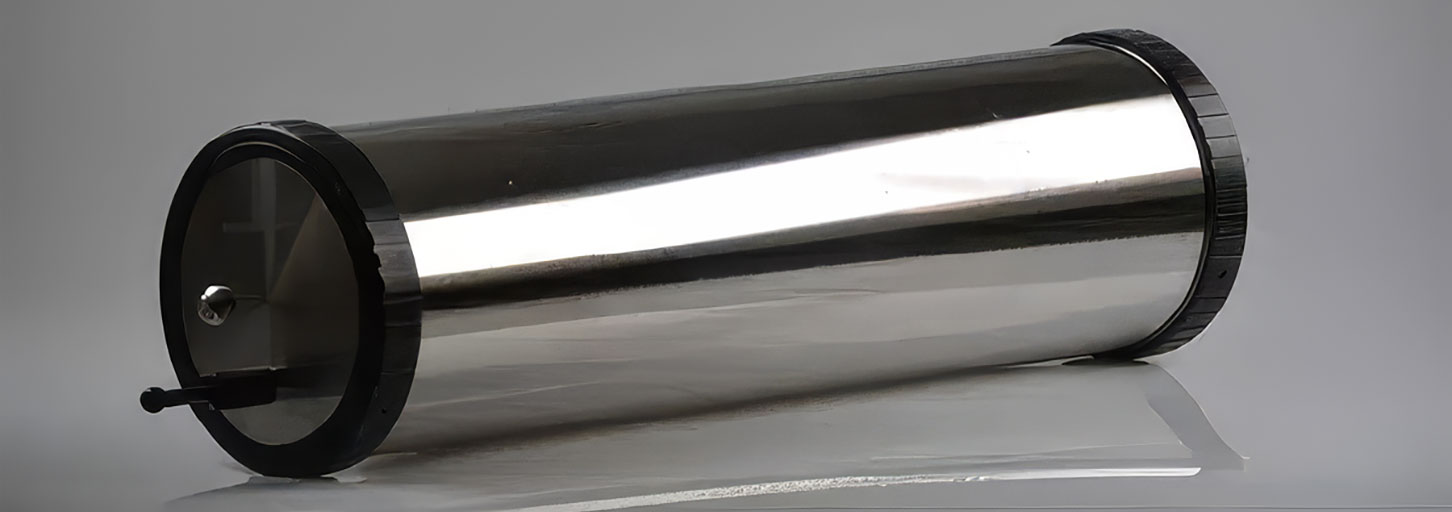
Lightweight, corrosion proof deep‑sea housings delivering reliable protection, easy handling, and full customization for electronics, sensors, and cameras at depths up to 6,000 metres.

Choose a pressure‑housing solution built for the harshest subsea environments. Protect your electronics, sensors, and cameras with lightweight, corrosion‑proof titanium construction, customisable end caps, and depth ratings up to 6,000 metres.

Ensure long‑term reliability, fast integration, and safe handling with certified pressure testing and proven performance from Arctic depths to coastal deployments.

Request datasheet Request datasheet

FAQs

Interested in this product?

Below you’ll find answers to the questions we’re asked most often. If your query isn’t covered, get in touch and we’ll provide the guidance you need.

Standard housings are available with up to 6,000 metres depth ratings, each designed with a 1.5 safety factor and certified through pressure testing according to API 17F.

All housings use Titanium Grade 5, ensuring superior long term corrosion resistance, low weight, and suitability for extended deployments in harsh marine environments.

Yes. Endcaps can be customised with up to 13 connectors, sensor mounts, optical flat or dome ports, engravings, and custom machining. Multiple housing lengths can be coupled to increase internal volume.

The housings feature a tool free cap design for quick access, or bolted cap for maximum security. Optional pressure relief valves support safe handling and vacuum testing.

Off-the-shelf mooring frames, clamps, and mounting solutions are available for all housing sizes. Additional accessories can be provided on request to support integration into new or existing subsea systems.

The Develogic SW.POM pressure housing is a compact, shallow‑water solution engineered for reliable protection of electronics, sensors, and connectors down to 100 metres water depth.


pom_housing_1208x1080
pom_housing_1208x1080_2

Its bolted, double‑sealed cap design ensures secure sealing and easy integration of up to 13 underwater connectors or custom sensor mounts. Manufactured from corrosion‑resistant POM with Titanium Grade 5 bolts, it offers long‑term durability and low maintenance.

Each unit is pressure‑tested to API 17F and delivered with full traceability and certification. Optional features include pressure‑relief valves, custom machining, engravings, and mooring frames. With proven deployment history and flexible customisation, it is ideal for coastal and nearshore applications.

Key Features

0

m

Rated up to 100 metres (320ft)

0

Max number of endcap connectors

Material

Polyoxymethylene engineering plastic

Design

Bolted, double sealed endcap design

Compliance

Pressure tested according to API 17F

Safety

Optional pressure relief valve for safe handling and vacuum testing

Reliable shallow‑water housing with a robust double‑sealed design, customisable interfaces, and proven performance for sensors and electronics at depths up to 100 metres

Equip your shallow‑water projects with a pressure housing built for reliability. The SW.POM series delivers secure double‑sealed protection, customisable interfaces, and certified performance to 100 metres depth. Choose a durable, low‑maintenance solution trusted in hundreds of deployments to safeguard your electronics and sensors in demanding coastal environments.

Request datasheet Request datasheet

FAQs

Interested in this product?

Below you’ll find answers to the questions we’re asked most often. If your query isn’t covered, get in touch and we’ll provide the guidance you need.

It is rated for 100 metre shallow water deployments, making it ideal for coastal, harbour, and nearshore monitoring applications.

The housing is made from corrosion resistant POM with Titanium Grade 5 bolts, ensuring durability, low weight, and long term stability in marine environments.

Yes. Endcaps can include up to 13 underwater connectors, sensor mounts, blind caps, or acoustic transducer/hydrophone interfaces. Custom machining and engravings are also available.

Every unit is pressure tested according to API 17F and delivered with a test protocol and pressure test certificate, ensuring full traceability and verified performance.

Standard mooring frames are available, and additional accessories can be provided on request to support integration into existing shallow water systems.

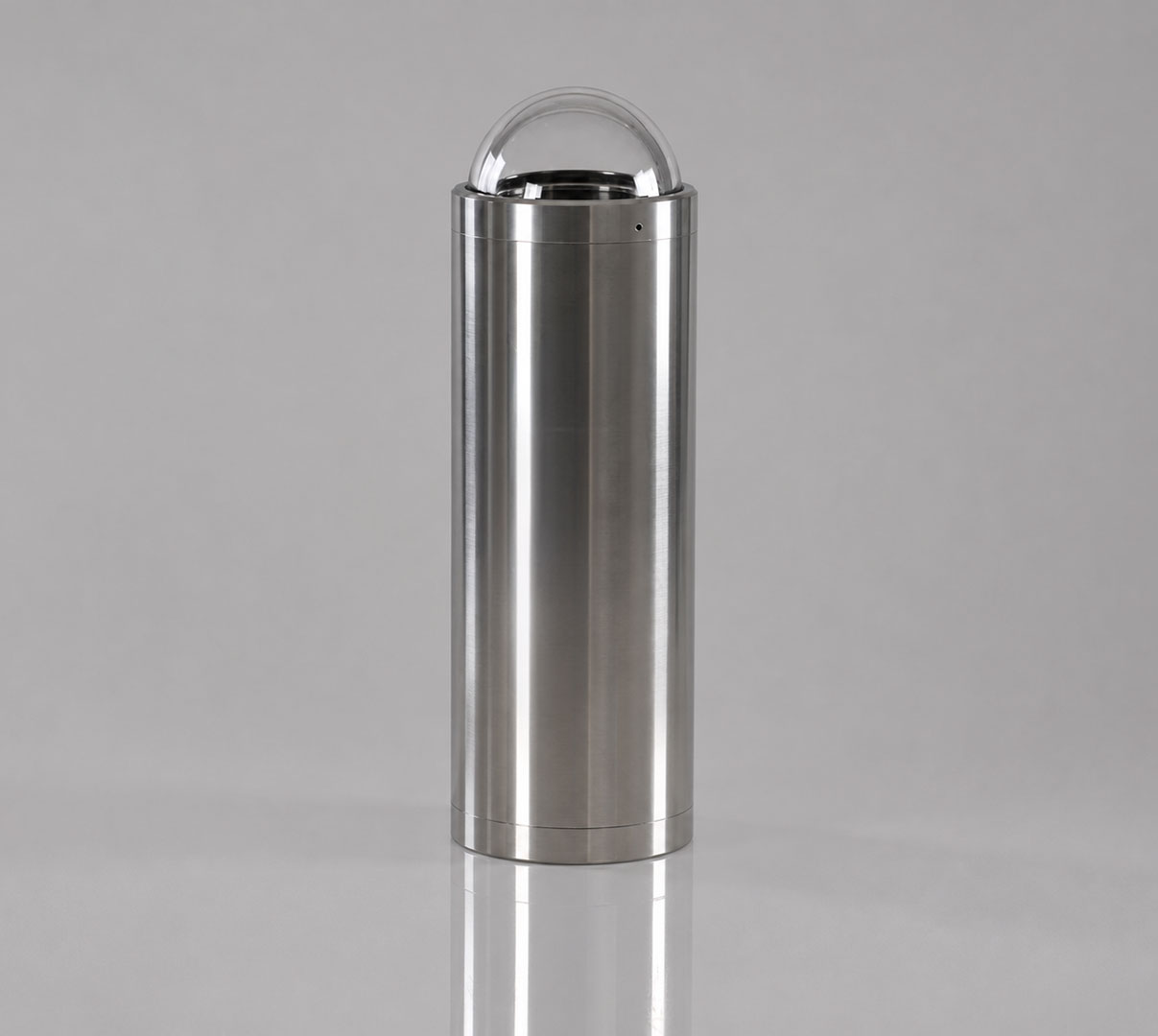
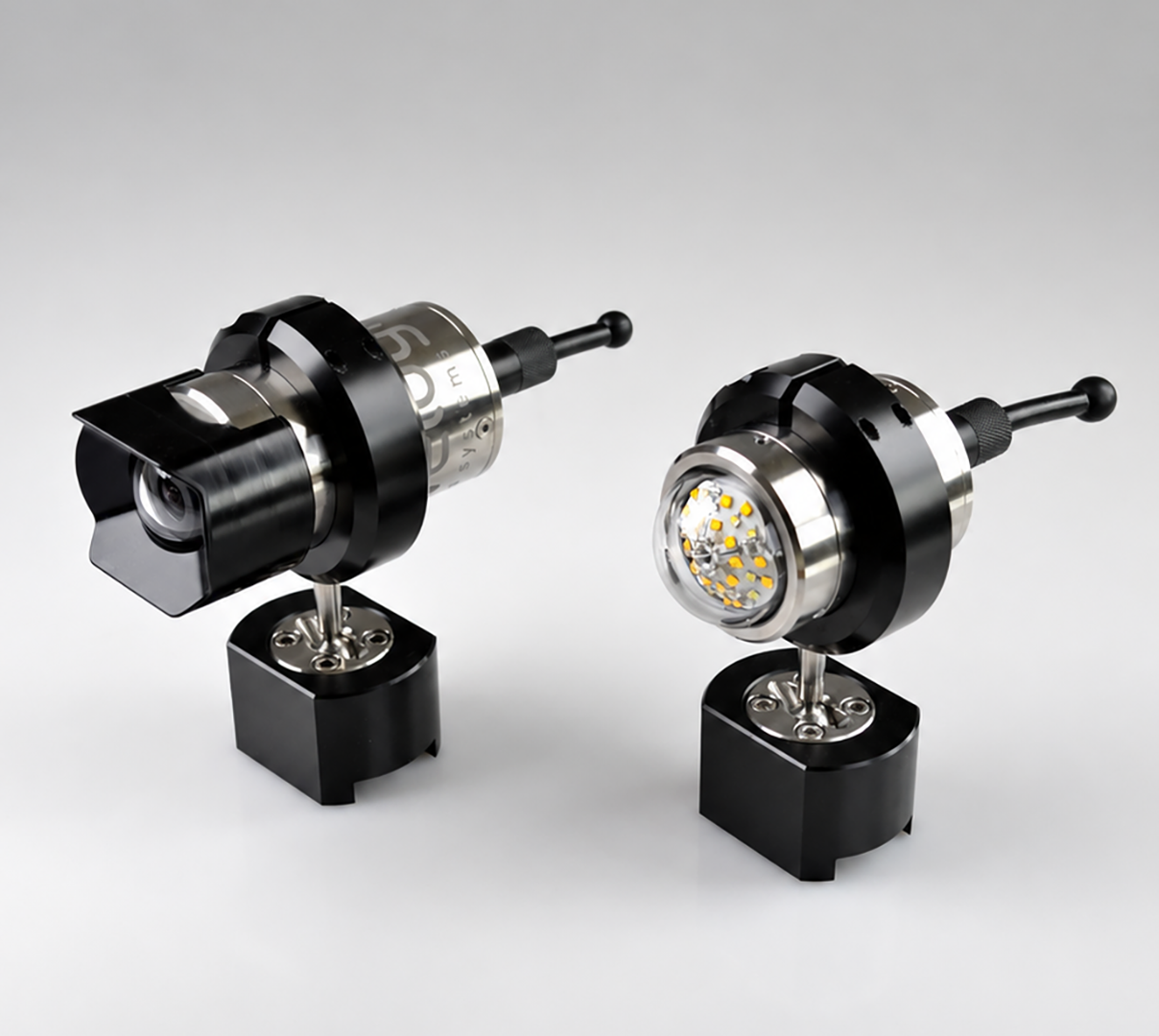
The Develogic UW.LED75 is a high‑efficiency underwater LED light engineered for deep‑sea imaging, inspection, and illumination tasks. Delivering up to 11,000 lumens with exceptional efficacy of up to 170 lm/W, it provides powerful brightness with minimal energy consumption.


msl_1208x1080
led_1208x1080

Its Titanium Grade‑5 housing and glass dome ensure reliable operation to 6000 m depth, backed by API 17F pressure testing and certification. The light offers tone‑controlled or fixed‑tone color temperatures, flicker‑free dimming, and both analog and digital control, including RS‑232 for configuration and system integration.

With thermal and overcurrent protection and wide 110° beam angle, it delivers robust, dependable performance for demanding subsea applications.

Key Features

0

lm

Permanent light output (lumens)

0

W

Power consumption (Upto)

0

k

Tone (colour) control (3000k-5700k)

Dimming

Flicker-free dimming

Control

Analog or digital control

Integration

EIA-232 (RS232) for configuration and interfacing

0

m

Depth rating

Mode

Digital controlled pulse mode

0

V

Supply voltage range (9-50V)
High‑efficiency deep‑sea illumination delivering 11,000 lumens, wide‑angle coverage, and precise tone control in a compact, 6000‑metre rated titanium housing.

Power your subsea imaging with a light built for extreme depths. The UW.LED75 delivers 11,000 lumens, exceptional efficiency, and precise tone control in a rugged 6000 m‑rated titanium housing.

Equip your system with reliable, flicker‑free illumination engineered for demanding deep‑sea operations and seamless integration into modern underwater platforms

Request datasheet Request datasheet

FAQs

Interested in this product?

Below you’ll find answers to the questions we’re asked most often. If your query isn’t covered, get in touch and we’ll provide the guidance you need.

The light is designed for safe operation down to 6000 m, housed in a robust titanium Grade 5 body and pressure tested according to API 17F.

It delivers up to 11,000 lumens with exceptional efficiency—up to 170 lm/W at 50% power and 150 lm/W at full output, measured underwater including dome losses.

Yes. The light is available with fixed 5000 K or tone controlled 3000–5700 K output.

The UW.LED75 supports analog and digital dimming, flicker free operation, and RS 232 (EIA 232) for configuration, system integration, and pulse mode control.

It features thermal and overcurrent protection

The Develogic UAP.COM is a flexible HF/VHF underwater acoustic modem designed for reliable subsea communication, ranging, and device control. NATO-standards compliant, it supports forward‑error correction, transparent data compression, and bi-directional handshaking to maintain stable links in both simple and complex acoustic environments.

uap_1208x1080_4
uap_1208x1080_3

Offering data rates up to 4.1 kbit/s (VHF) or 2.1 kbit/s (HF), it enables long‑range communication between seafloor landers, underwater vehicles, and surface vessels. With RS‑232/422/485, Ethernet, and OEM interfaces, plus optional data logging up to 512 GB, it integrates easily into diverse systems.

Available in POM‑C (100 metre depth rated) or Titanium (6,000 metre depth rated) housings, it is engineered for dependable performance in demanding marine operations in defence, offshore energy and ocean science.

Key Features

Modes

Data communication and ranging functionality

Protocols

Supports serial and ethernet interface

Frequency

Supports multiple frequency options (HF/VHF)

0

kBit/s

Data transfer rate

Compliance

STANAG 4748 and 4817

Connectivity

Transparent modem link functionality

0

m

Maximum depth rating

Logging

Data logger functionality with 4 interfaces, including power supply

Customisation

OEM option for customer instrument integration

From seabed observatories to autonomous vehicles, UAP.COM delivers dependable point-to-point underwater communications that keep your critical data moving when mission success depends on it.

Whether replacing costly subsea cabling, connecting remote instruments or enabling autonomous vehicle operations, UAP.COM provides a proven acoustic communications platform for reliable underwater data transfer. Talk to Develogic about the right modem configuration, housing and interface options for your next offshore, scientific or defence programme.

Request datasheet Request datasheet

FAQs

Interested in this product?

Below you’ll find answers to the questions we’re asked most often. If your query isn’t covered, get in touch and we’ll provide the guidance you need.

The HF version operates at 18–30 kHz, offering up to 2.1 kbit/s and 4000 m range. The VHF version operates at 45–65 kHz, providing up to 4.1 kbit/s and 1000 m range.

Two housings are offered: POM C (100 m) for surface and shallow water use, and Titanium Grade 5 (6000 m) for deep sea deployments. Both are pressure tested to API 17.

The modem supports RS 232/422/485 and Ethernet 10/100Base TX. Unused interfaces can be repurposed for sensors or data logging.

Yes. It supports up to 512 GB SD card storage, with optional sensor power control and event based logging.

Common uses for the modem include seafloor lander communication, surface-to-subsea links and transparent cable replacement communication for underwater systems and vehicles.

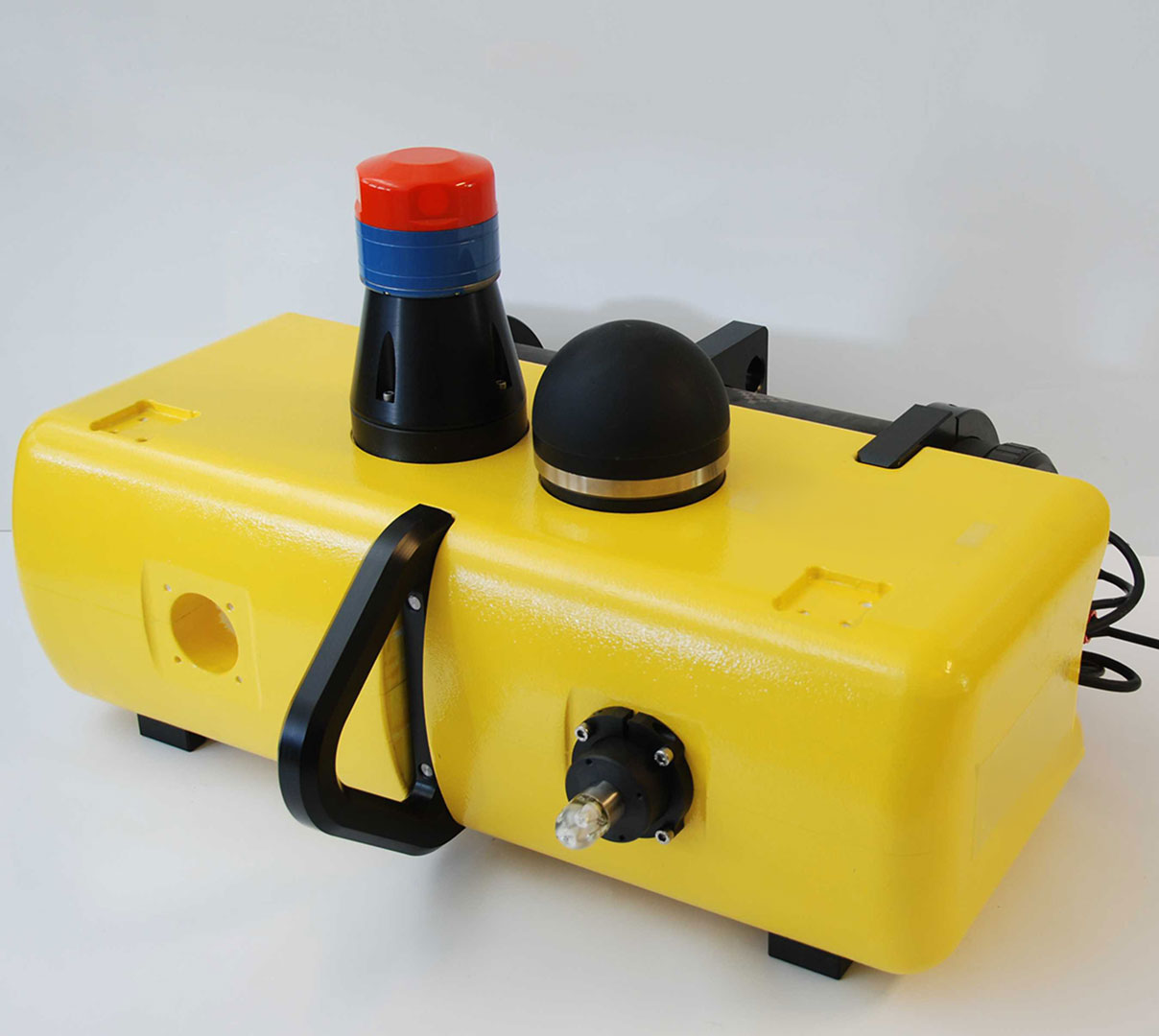
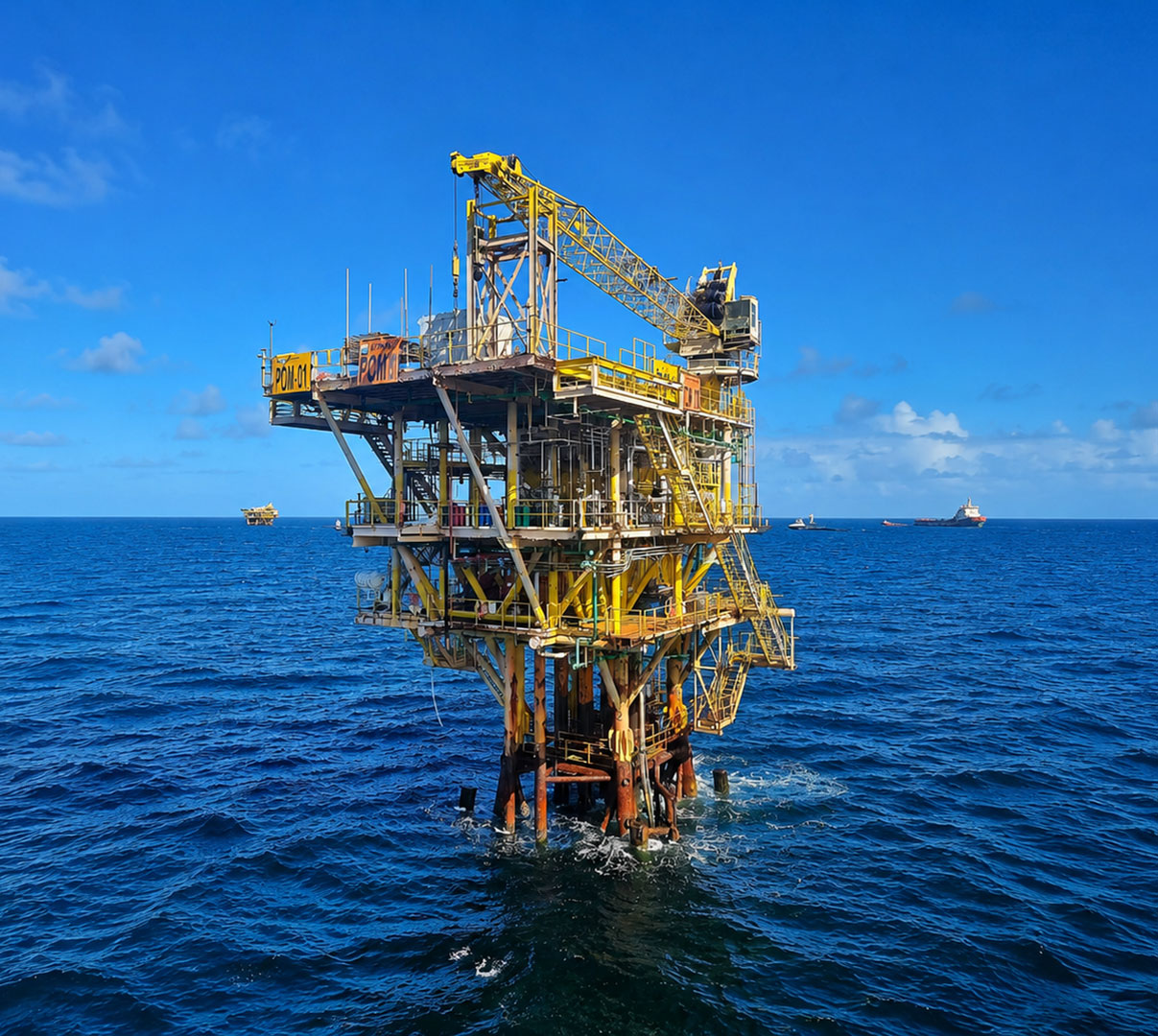
The Develogic Sonartransponder is an advanced acoustic collision‑warning system designed to protect underwater vehicles, including submarines and UUVs, operating near offshore wind farms, oil and gas structures, and other subsea installations.


sonartransponder_1208x1080_2
Sonartransponder_1208x1080_5

Fully compliant with BSH regulations and NATO acoustic standards, it continuously monitors the acoustic environment and responds to pre-defined interrogation signals with omni-directional warning transmissions.

The system supports both autonomous (battery powered) and cabled (externally powered) operation, offering flexible installation as a seabed lander, fixed or magnetically mounted frame. Robust titanium/POM construction, self‑diagnostics, and multiple communication interfaces ensure reliable, maintainable performance in greenfield and brownfield environments.

Key Features

Compliance

Fully compliant with BSH regulations and NATO acoustic signals

Acoustics

Omni-directional signal detection and transmission

Installation

ROV deploy and recovery – no divers required

Integration

Configurable external software interface for simple integration

Design

Corrosion-free design ensuring reliable, long-term deployments

Environmental

Environmentally friendly ramp-up of the sound source
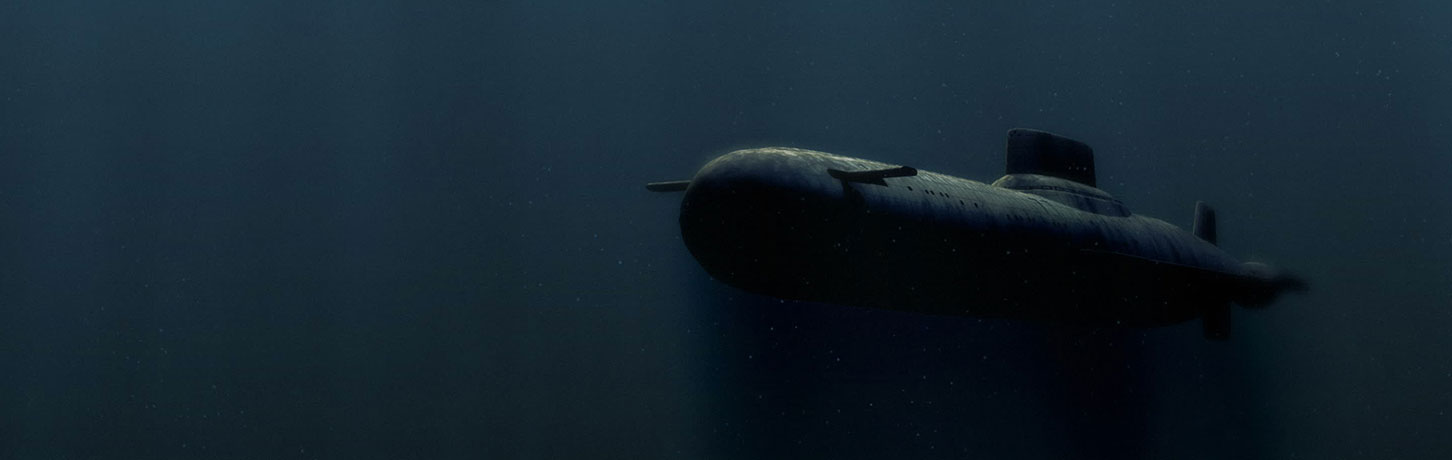
BSH‑compliant transponder delivering omni-directional collision‑warning signals and long‑term monitoring to protect subsea infrastructure with reliable, low‑power performance and flexible installation options

Protect critical subsea infrastructure with the Sonartransponder from Develogic. Ensure safe navigation through BSH‑compliant acoustic warnings, long‑term autonomous monitoring, and flexible installation on seabed or structures. Choose a robust, low‑power system with proven reliability, self‑diagnostics, and seamless integration into existing offshore control networks.

Request datasheet Request datasheet

FAQs

Interested in this product?

Below you’ll find answers to the questions we’re asked most often. If your query isn’t covered, get in touch and we’ll provide the guidance you need.

The system is fully compliant with BSH requirements and NATO standard acoustic signals, using 8.1 kHz detection and 7–7.8 kHz transmission for reliable, standardised collision warning communication.

With optional external battery packs, the Sonartransponder supports up to 24 months of continuous acoustic monitoring and response in standalone mode.

It can be deployed as a seabed lander, mounted on subsea structures via magnets, or integrated via cabled power and communication. All options are suitable for greenfield and brownfield installations.

Communication is possible via electromagnetic link, acoustic gateway buoy, or expendable communication buoys (ECBs). All acoustic interrogations are logged and can be transferred onshore.

The system uses Titanium and POM housings, syntactic foam flotation, omni-directional transducers, and continuous self-diagnostics to ensure corrosion resistance, mechanical robustness, and stable long term performance.